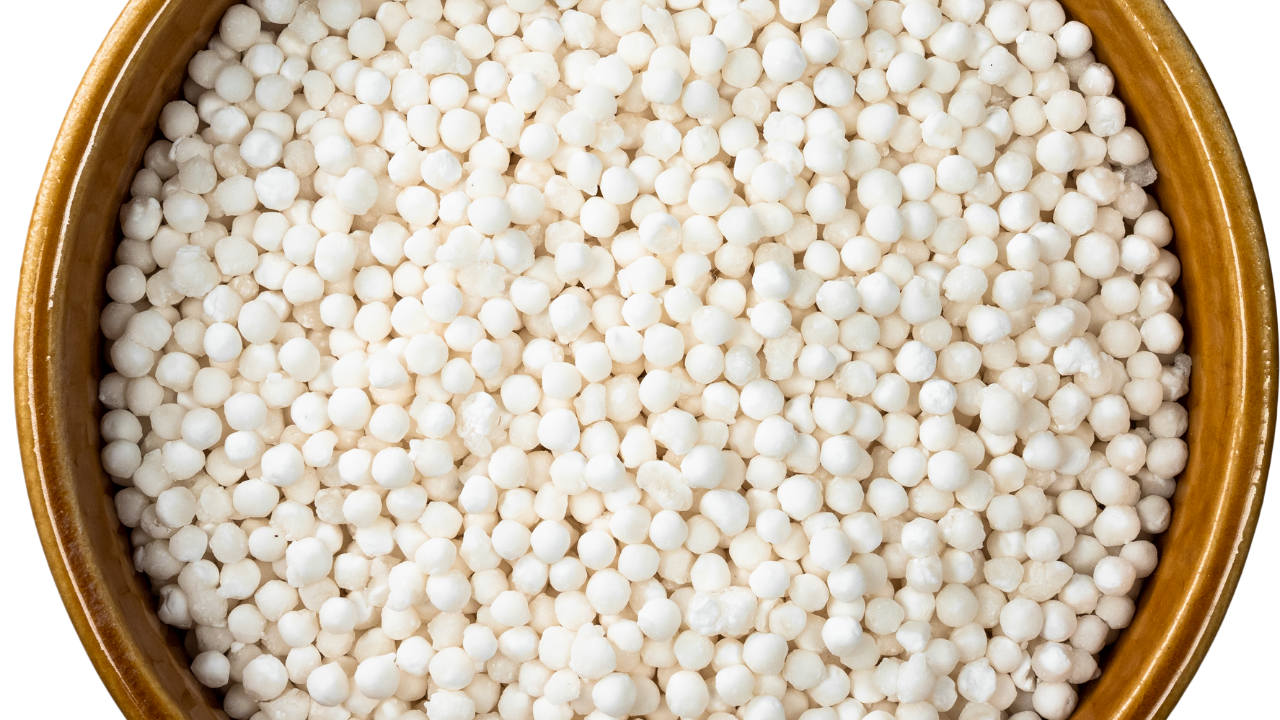
Versatility and Benefits of Sago – Sabudana
Sago/Sabudana is a starchy substance extracted from the pith (center) of various types of palm trees, primarily the sago palm (Metroxylon sagu). It is a staple food in many parts of Southeast Asia and the Pacific Islands and is often used to make a variety of dishes. Sago has some nutritional value and benefits, although it is primarily a source of carbohydrates and lacks significant vitamins and minerals. Here are the nutritional values and benefits of sago:
Nutritional Values (per 100 grams of dry sago):
Sago is primarily composed of carbohydrates, with almost no fat or protein. It contains about 94 grams of carbohydrates per 100 grams. Sago is calorie-dense due to its high carbohydrate content, providing around 354 calories per 100 grams. Sago contains a small amount of dietary fiber, which can aid in digestion. Sago contains negligible amounts of fat and protein, so not a good source of these essential nutrients. Sago is not a significant source of vitamins and minerals. It lacks essential vitamins like vitamin C, vitamin A, and minerals like calcium and iron.
Benefits of Sago:
- Sago is a concentrated source of carbohydrates, making it an excellent energy source. It is often consumed in regions where energy-dense foods are needed for physical labor and endurance.
- Sago is naturally gluten-free, which makes it suitable for people with gluten sensitivities or celiac disease.
- It is easy to digest, which can be beneficial for individuals with digestive issues or those recovering from illnesses.
- Sago/Sabudana can be used in various culinary applications. It can be boiled, steamed, or added to soups and desserts, providing texture and thickness to dishes.
- Sabudana holds cultural significance in many Southeast Asian and Pacific Island communities, where it is a traditional and culturally important food source.
- The cultivation and harvesting of sago palms provide livelihoods for many communities in the regions where it is grown.
It is important to note that while sago can provide energy, it should be consumed as part of a balanced diet to ensure a variety of nutrients are obtained. Relying solely on sago as a primary food source may lead to nutritional deficiencies over time due to its limited vitamin and mineral content. In India people used Sabudana for making Farali snacks (food used on fasting day). Various snacks are made from Sago.