Phalsa
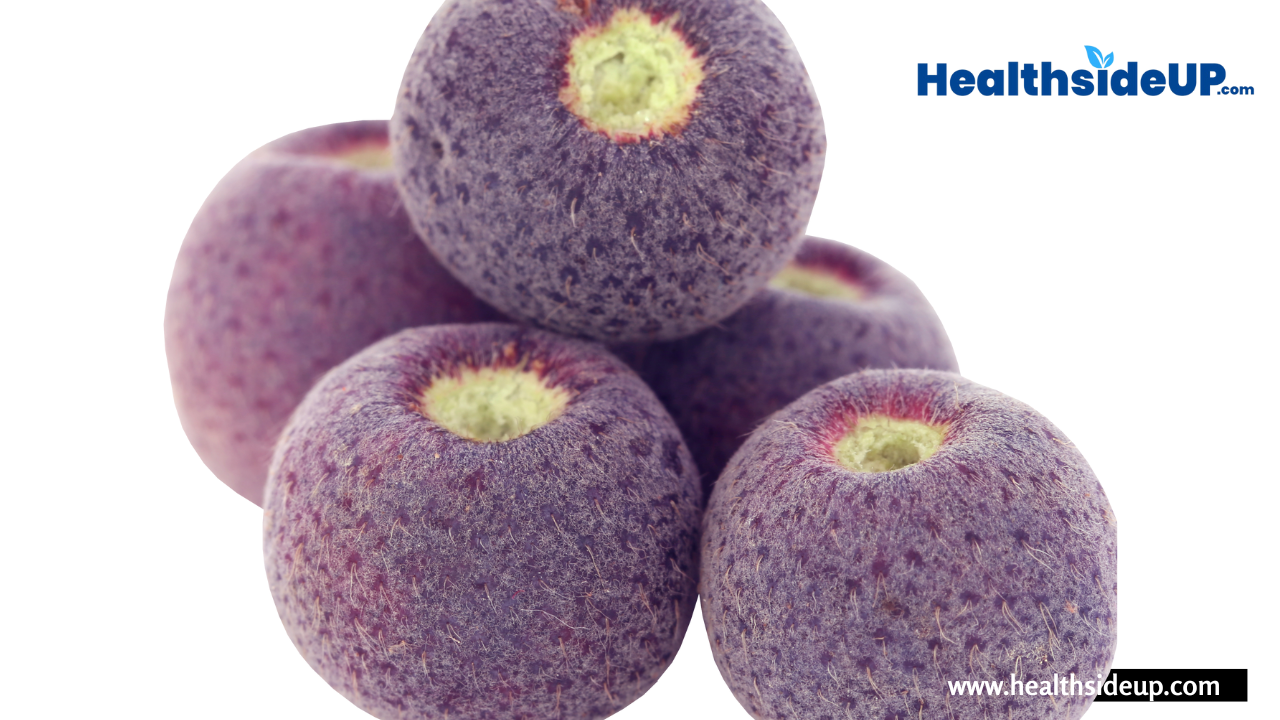
Phalsa, scientifically known as Grewia asiatica, is a small, berry-like fruit that is native to the Indian subcontinent and other parts of Southeast Asia. Phalsa fruits are small and round, typically about the size of a blueberry or slightly larger. They have a smooth, thin skin that ranges in color from green to purplish-black when ripe. The flesh inside is juicy and filled with tiny seeds. It has a unique combination of sweet and tangy; having a refreshing and mildly acidic taste, making it a popular choice for making beverages and desserts.
Nutritional Content of Phalsa :
Approximately 97-100 calories are in 100 gm Phalsa. Also Carbohydrates Around 24 grams, Dietary Fiber Approximately 5.4 grams, Protein Approximately 1.8 grams, Fat Minimal, less than 1 gram, Vitamin C in Phalsa is a rich source of vitamin C, providing a substantial portion of the daily recommended intake. Vitamin C supports immune health, skin health, and wound healing. It contains beta-carotene, a precursor of vitamin A, which is essential for eye health and overall immunity. Phalsa contains essential minerals, including calcium, iron, phosphorus, and potassium.
Health Benefits of Phalsa:
Phalsa is known for its high antioxidant content, which can help combat oxidative stress and reduce the risk of chronic diseases. Antioxidants also play a role in anti-aging and maintaining healthy cells.
The high vitamin C content in phalsa supports a healthy immune system and may help protect against common colds and infections. It also promotes collagen production for healthy skin.
The dietary fiber in phalsa promotes digestive health by aiding regular bowel movements, preventing constipation, and supporting overall gastrointestinal well-being.
Phalsa is a low-calorie and low-fat fruit, making it a healthy choice for those looking to manage their weight and maintain a balanced diet.
The juicy nature of phalsa can help keep you hydrated, making it a refreshing choice, especially in hot weather.
Phalsa’s fiber and natural laxative properties may help relieve digestive issues.
In traditional medicine, phalsa is sometimes used to treat various ailments, such as sore throats and diarrhea, due to its potential antimicrobial properties.
In traditional systems of medicine, phalsa is often considered “cooling” in nature and is believed to help reduce body heat and provide relief from heat-related ailments.
Culinary Uses:
Phalsa is commonly used to make refreshing beverages, such as phalsa sharbat or juice, by mashing the fruit and mixing it with water and sugar. The fruit is also used in desserts, such as ice creams, jams, and jellies. In some regions, it is used in traditional medicinal remedies.
Phalsa is usually consumed in small quantities, primarily in the form of beverages like phalsa sharbat or fresh juice. While it has potential health benefits, more scientific research is needed to fully understand its specific effects. As with any food, it’s best to enjoy phalsa as part of a balanced and varied diet to maximize its potential advantages.