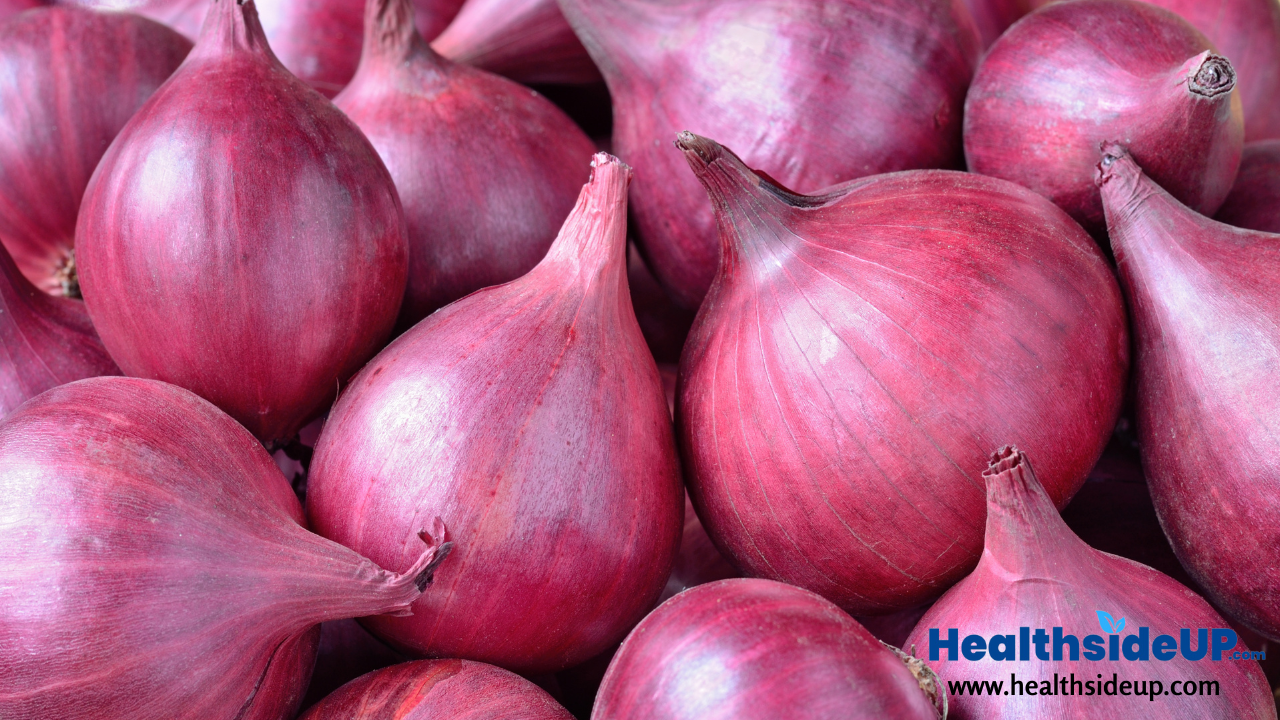
Onion
Onions are a versatile and widely used vegetable known for their pungent flavor and numerous culinary applications. They not only add a delicious taste to a variety of dishes but also offer several health benefits. Here’s some information about onions, their nutritional content, and their potential benefits:
Nutritional Content :
Onions are low in calories, providing about 40-50 calories per 100 grams, making them a suitable addition to a calorie-conscious diet.
Onions are a good source of carbohydrates, mainly in the form of natural sugars and dietary fiber. They contain about 9-10 grams of carbohydrates per 100 grams.
Onions are relatively high in dietary fiber, contributing to digestive health. They provide approximately 1.7-2.5 grams of fiber per 100 grams.
Onions are a decent source of essential vitamins, including vitamin C (an antioxidant that supports the immune system) and vitamin B6 (important for brain development and function).
Onions contain several minerals, with potassium and folate being the most notable. Potassium is important for heart and muscle function, while folate is essential for cell division and the formation of DNA.
Onions contain phytonutrients like quercetin, which has antioxidant properties and may offer various health benefits.
Health Benefits of Onions:
Antioxidant Properties: Onions contain various antioxidants, including quercetin, which can help protect the body from oxidative stress and reduce the risk of chronic diseases.
Heart Health: The antioxidants and flavonoids in onions may help reduce the risk of heart disease by lowering blood pressure and improving cholesterol profiles.
Anti-Inflammatory: Quercetin and other compounds in onions may have anti-inflammatory effects, which can be beneficial for reducing inflammation in the body.
Immune System Support: The vitamin C content in onions supports a healthy immune system and can help the body fight off infections.
Digestive Health: Onions’ fiber content supports a healthy digestive system and may aid in regular bowel movements.
Cancer Prevention: Some studies suggest that the compounds found in onions, particularly quercetin, may have potential cancer-fighting properties.Blood Sugar Control: Onions have a low glycemic index and may help regulate blood sugar levels, making them suitable for individuals with diabetes or those looking to manage blood sugar.
Skin Health: The antioxidants in onions may contribute to healthy and youthful-looking skin.
Respiratory Health: Onions are often used in traditional remedies for colds and respiratory issues due to their potential antibacterial and anti-inflammatory properties.
Weight Management: The low calorie and high fiber content of onions can aid in weight management by promoting satiety.
Culinary Use:
Onions are a versatile vegetable and can be consumed in various forms, including raw in salads, sautéed, grilled, or as a flavor base for many dishes. Their distinct flavor and potential health benefits make them a valuable addition to a balanced diet. However, some people may be sensitive to onions and experience digestive discomfort, so it’s important to consume them in moderation if you are susceptible to such issues.