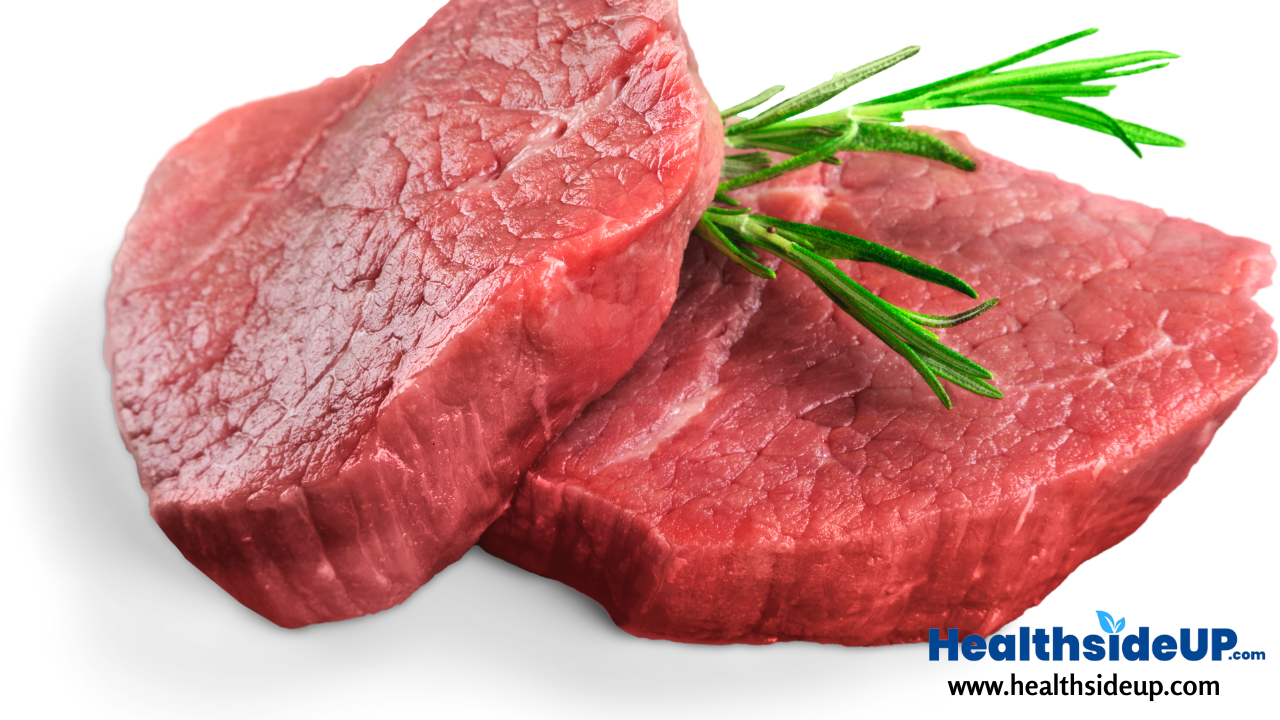
Beef
It is a popular source of protein and essential nutrients, and it can be part of a balanced diet when consumed in moderation. Beef is the meat from cattle, specifically from cows, bulls, and steers. It is one of the most widely consumed and versatile types of meat in the world, enjoyed in various cuisines and forms.
Nutritional Content: Beef is rich in several essential nutrients, including:
Beef contains various vitamins, including B vitamins like B12, B6, niacin (B3), riboflavin (B2), and pantothenic acid (B5). Vitamin B12 is essential for nerve health and the production of red blood cells.
Beef is an excellent source of high-quality protein, providing all the essential amino acids necessary for muscle growth, tissue repair, and overall body function.
Beef is a good source of essential minerals, such as iron, zinc, selenium, and phosphorus. Iron is crucial for oxygen transport in the body, while zinc is important for immune function and wound healing.
Beef contains both saturated and unsaturated fats, with the fat content varying based on the cut of meat. Lean cuts are lower in total fat and saturated fat, while fatty cuts have a higher fat content.
Beef is one of the best dietary sources of creatine, a compound that plays a role in energy production, particularly during short bursts of intense physical activity.
Benefits of Beef:
Beef is a rich source of high-quality protein, making it an excellent choice for individuals looking to meet their protein needs. Protein is crucial for muscle growth, tissue repair, and overall body function.
Beef is a significant source of heme iron, which is more easily absorbed by the body compared to non-heme iron from plant-based sources. This makes it an essential food for preventing and treating iron-deficiency anemia.
Beef is a good source of zinc, an essential mineral that supports immune function, wound healing, and DNA synthesis.
Beef provides a substantial amount of vitamin B12, which is crucial for nerve health and the production of red blood cells.
Protein-rich foods like beef can help increase feelings of fullness and reduce overall calorie intake, which may be beneficial for weight management.
Beef is a nutrient-dense food, offering a range of essential vitamins and minerals that contribute to overall health and well-being.
The creatine in beef can be beneficial for individuals engaged in activities that require short bursts of intense physical activity, such as weightlifting and sprinting. It’s important to note that the nutritional content of beef can vary based on factors such as the cut of meat and the way it is prepared. While beef offers many benefits, it’s essential to consume it in moderation and choose lean cuts to minimize saturated fat intake. Additionally, it’s important to be aware of potential contaminants like hormones or antibiotics, so choosing grass-fed or organic beef can be a consideration. If you have specific dietary or health concerns, consult with a healthcare professional or nutritionist for personalized advice.