Vitamin B
Vitamin B is a group of water-soluble vitamins that are essential for various bodily functions. The B-complex vitamins consist of eight distinct vitamins, each with its own specific functions and benefits. There are eight types of Vitamin B. These B vitamins are involved in energy production, DNA synthesis, and a wide range of metabolic processes in the body. They are also important for maintaining healthy skin, hair, nails, and various organs. Deficiencies in B-complex vitamins can lead to a variety of health issues, including fatigue, anemia, skin disorders, and neurological problems.
Types of Vitamin B with Functions:
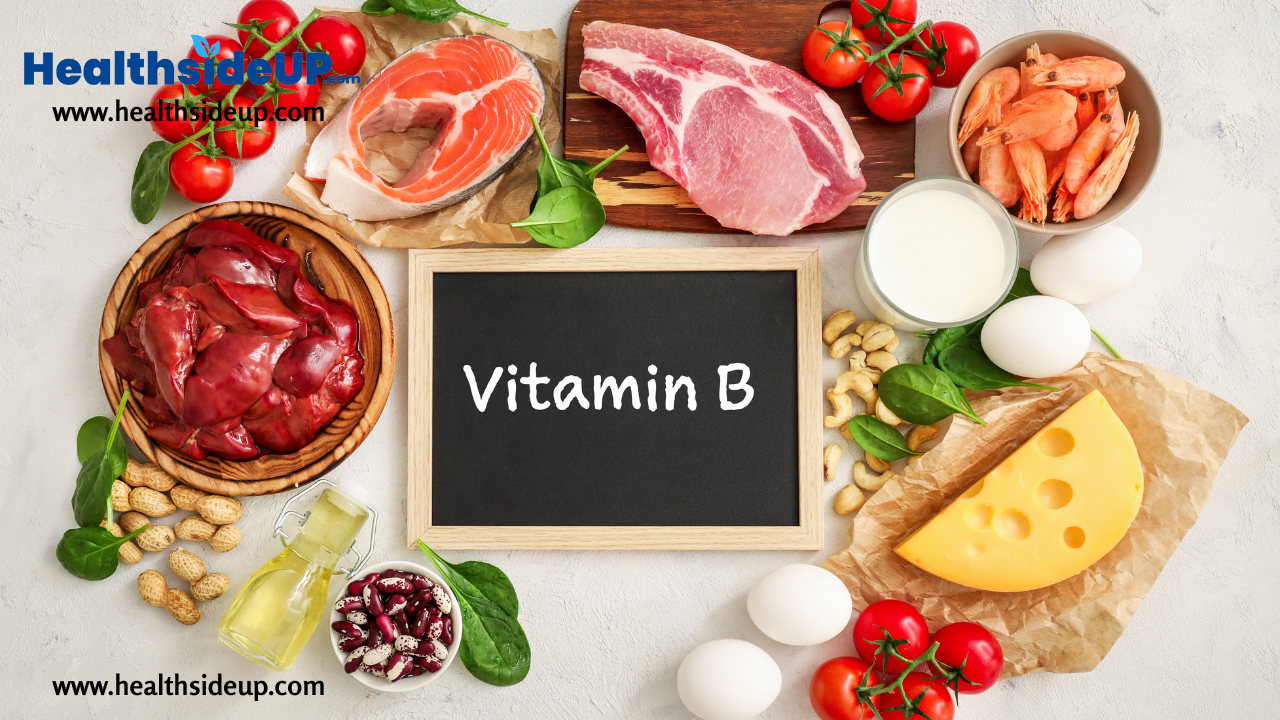
B1 (Thiamine): Thiamine is essential for converting carbohydrates into energy and maintaining proper nerve function. It is found in whole grains, legumes, nuts, and pork.
B2 (Riboflavin): Riboflavin is important for energy production, the metabolism of fats, drugs, and steroids, and maintaining healthy skin. Good food sources include dairy products, lean meats, and green leafy vegetables.
B3 (Niacin): Niacin plays a key role in DNA repair, energy production, and skin health. It can be obtained from poultry, fish, whole grains, and nuts.
B5 (Pantothenic Acid): Pantothenic acid is involved in the synthesis of fatty acids and helps with energy production. It is widely distributed in many foods, so deficiency is rare.
B6 (Pyridoxine): Pyridoxine is necessary for amino acid metabolism, neurotransmitter synthesis, and immune function. Good sources include poultry, fish, bananas, and fortified cereals.
B7 (Biotin): Biotin is important for the metabolism of fatty acids and amino acids, as well as healthy hair, skin, and nails. It is found in small amounts in various foods and is also produced by gut bacteria.
B9 (Folate or Folic Acid): Folate is crucial for DNA synthesis and cell growth. It is especially important during pregnancy to prevent neural tube defects in the developing fetus. Good sources include leafy greens, legumes, and fortified grains. Folic acid is the synthetic form of folate found in supplements and fortified foods.
B12 (Cobalamin): Vitamin B12 is essential for nerve function, DNA synthesis, and the production of red blood cells. It is primarily found in animal-based foods like meat, fish, and dairy products, making it important for vegetarians and vegans to consider supplementation.
Vitamin B complex supplements are available and are often recommended for individuals at risk of deficiency, such as vegetarians, pregnant women, and the elderly. However, it’s generally best to obtain these vitamins through a balanced diet, as they are more readily absorbed from food sources.
B vitamins are involved in numerous bodily processes, including energy production, brain function, and the maintenance of healthy skin, hair, and nails. A deficiency in any of these vitamins can lead to a range of health issues, including fatigue, anemia, skin disorders, and neurological problems. If you have concerns about your B vitamin intake or experience symptoms of deficiency, consult with a healthcare professional for proper guidance and evaluation.
It’s important to ensure that you get an adequate intake of B-complex vitamins through a balanced diet, as they are water-soluble and not stored in the body to a significant extent. If you have concerns about your B vitamin intake or experience symptoms of deficiency, consult with a healthcare professional for proper guidance and evaluation.