Zink
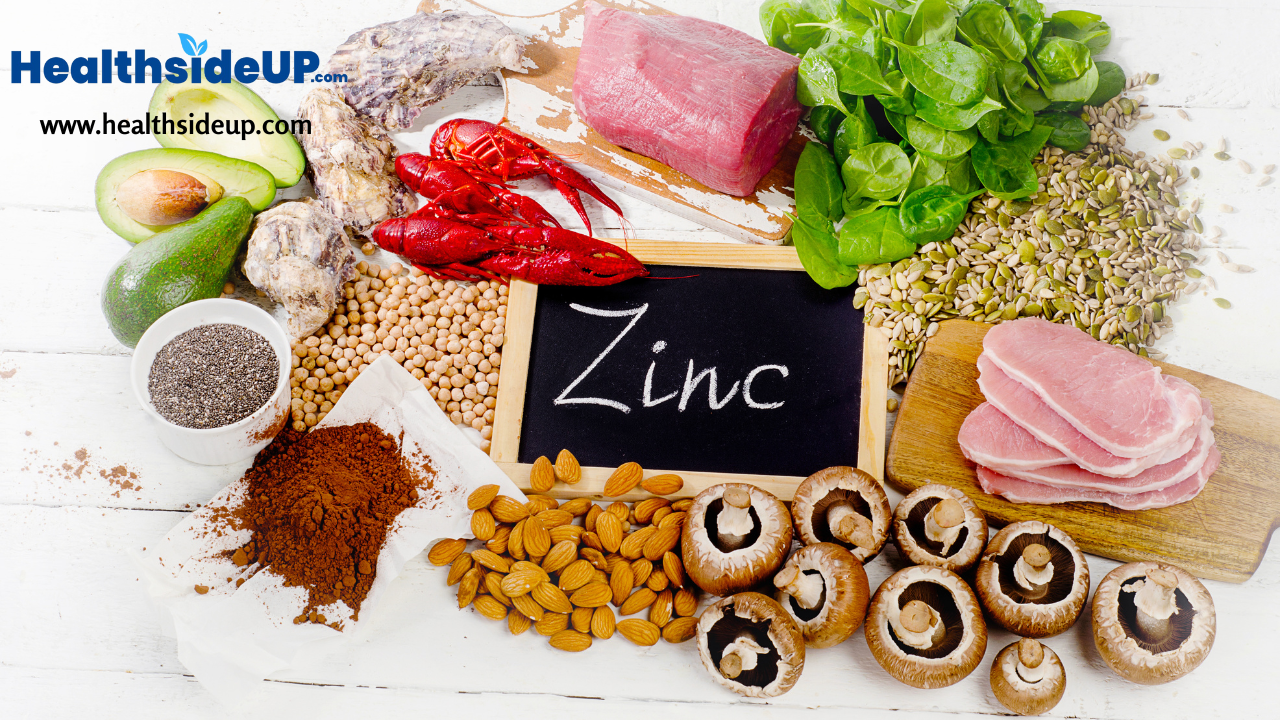
Zinc is an essential mineral that plays a crucial role in the human body. It is involved in various physiological functions and is vital for maintaining overall health. Zinc can be found in a variety of foods. Good dietary sources of zinc include Meat: Beef, pork, and lamb are excellent sources of zinc. Poultry: Chicken and turkey also provide zinc. Seafood: Oysters contain particularly high amounts of zinc. Other seafood like crab and lobster also provide zinc. Eggs: Eggs are a source of zinc.Dairy Products: Milk, cheese, and yogurt contain zinc. Legumes: Beans (such as chickpeas and lentils), nuts, and seeds are plant-based sources of zinc. Whole Grains: Foods like whole wheat bread and oatmeal contain zinc. Fortified Foods: Some breakfast cereals and nutritional supplements are fortified with zinc.
Role of Zinc in the Human Body:
Zinc is crucial for a healthy immune system. It helps maintain the integrity of the skin and mucous membranes, which act as barriers against infections. Zinc is also involved in the production and functioning of white blood cells that combat pathogens.
Zinc is necessary for wound healing and tissue repair. It plays a role in the production of collagen, a protein that is essential for skin, connective tissue, and blood vessel repair.
Zinc is involved in cell growth and division, making it essential for the development of new tissues and the regeneration of existing ones.
Many enzymes in the body require zinc as a cofactor to function properly. These enzymes are involved in various biochemical reactions, including DNA synthesis and digestion.
Zinc is associated with the senses of taste and smell. It plays a role in maintaining taste buds and olfactory receptors.
Zinc is involved in the regulation of hormones, including insulin and thyroid hormones. It is also important for reproductive health in both men and women.
Zinc is necessary for DNA synthesis and repair, helping to maintain genetic stability and function.
The recommended daily intake of zinc varies by age, sex, and life stage. In the United States, the recommended dietary allowances (RDAs) are typically around 8-11 milligrams per day for most adults, but individual requirements may vary. It’s important to consume a well-balanced diet to ensure you are meeting your zinc needs. While zinc is important for health, excessive intake can have adverse effects, so it’s essential to avoid overconsumption. If you have specific concerns about your zinc intake or health conditions that affect zinc absorption or utilization, consult with a healthcare professional or registered dietitian for guidance.