Protein: Types, Functions, Metabolism, and Sources for Optimal Health.
Proteins, often regarded as the building blocks of life, are essential macronutrients crucial for the structure, function, and regulation of the body’s tissues and organs. Composed of amino acids, proteins play an integral role in various bodily functions and are vital for maintaining overall health. Let’s delve deeper into the types, functions, sources, and specific roles of individual proteins in the body.
Types of Proteins:
Proteins are broadly categorized into two main types:
Complete Proteins: These contain all essential amino acids in adequate proportions. Complete proteins are usually found in animal sources such as meat, poultry, fish, eggs, and dairy products.
Incomplete Proteins: These lack one or more essential amino acids. Plant-based sources like legumes, grains, nuts, and seeds are often incomplete proteins but can be combined to form complete proteins in a balanced diet.
Functions of Proteins:
Muscle Development and Repair: Proteins play a pivotal role in building and repairing muscle tissues. They are essential for muscle growth, recovery after exercise, and overall muscle health.
Enzymes: Many enzymes, which catalyze biochemical reactions in the body, are made up of proteins. These enzymes aid in digestion, metabolism, and various other physiological processes.
Hormones: Certain proteins act as hormones, regulating various bodily functions such as growth, development, and metabolism. Examples include insulin and growth hormone.
Immune System Support: Antibodies, essential for the immune system’s function, are made of proteins. They help fight off infections and protect the body from illnesses.
Transportation and Storage: Proteins transport essential molecules like oxygen (hemoglobin) and nutrients throughout the body. They also store certain molecules for later use.
Specific Roles of Individual Proteins:
Collagen: A structural protein that forms connective tissues, collagen provides strength and elasticity to skin, tendons, ligaments, and bones.
Actin and Myosin: Found in muscles, these proteins are responsible for muscle contraction and movement.
Hemoglobin: This protein in red blood cells transports oxygen from the lungs to various tissues and organs throughout the body.
Insulin: A hormone protein that regulates blood sugar levels by facilitating the uptake of glucose by cells.
Sources of Proteins:
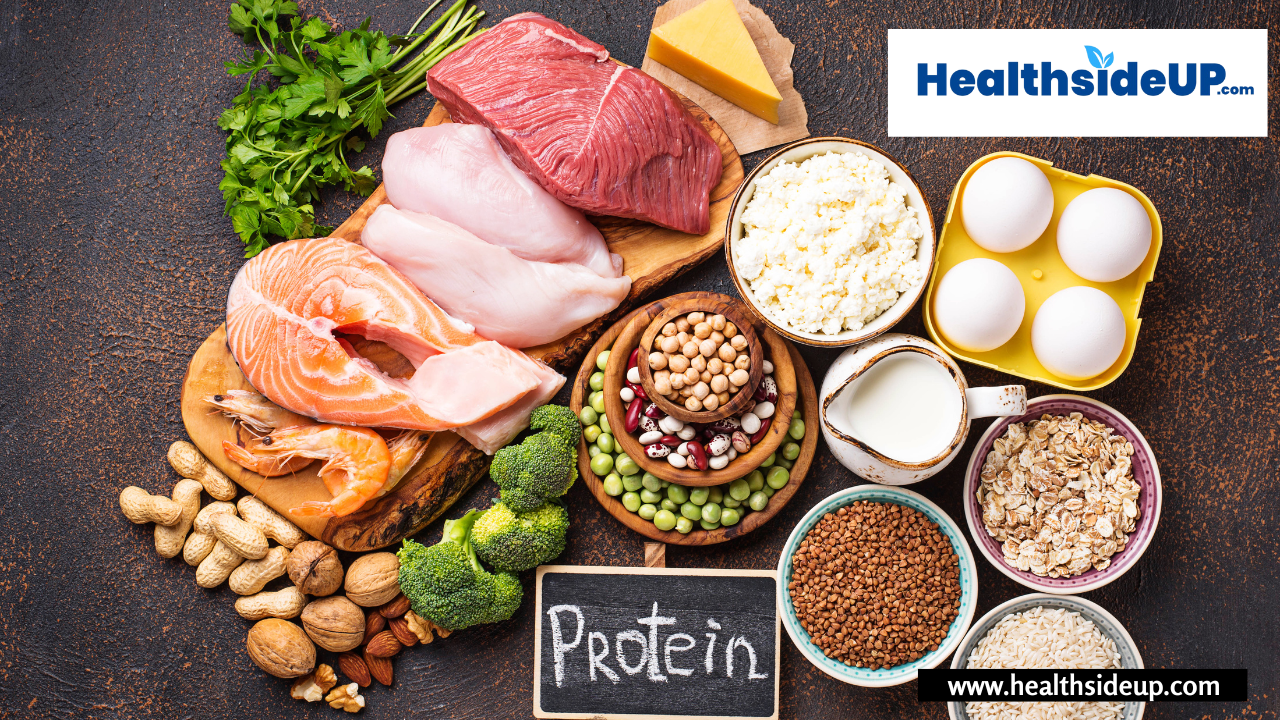
Animal Sources: Meat, poultry, fish, eggs, and dairy products are rich in complete proteins, providing all essential amino acids in balanced amounts.
Plant Sources: Legumes (beans, lentils), grains (quinoa, rice), nuts (almonds, walnuts), seeds (chia, hemp), and certain vegetables (spinach, broccoli) are sources of plant-based proteins. Combining different plant sources can ensure intake of various amino acids to create complete proteins.
protein metabolism is a crucial process that involves the breakdown, synthesis, and utilization of proteins within the body. It’s a dynamic process essential for various bodily functions:
Protein Metabolism Overview:
Protein Breakdown (Catabolism): Dietary proteins are broken down into amino acids during digestion, which are then absorbed into the bloodstream. Additionally, proteins within the body undergo turnover, where old or damaged proteins are degraded into amino acids for recycling.
Amino Acid Transportation: Once absorbed, amino acids travel through the bloodstream to various tissues and cells, where they are used for different purposes.
Protein Synthesis (Anabolism): Amino acids are the building blocks for new proteins synthesized within the body. Cells use amino acids in specific sequences and combinations to create proteins necessary for growth, repair, and maintenance.
Cellular Functions: Proteins synthesized in the body serve diverse functions, such as forming structural components (e.g., collagen in connective tissues), enzymes for biochemical reactions, antibodies for immune defense, and hormones for regulatory processes.
Regulation of Protein Metabolism:
Hormonal Control: Hormones like insulin, growth hormone, and cortisol play significant roles in regulating protein metabolism. For instance, insulin stimulates protein synthesis, while cortisol can increase protein breakdown in certain circumstances (e.g., stress, fasting).
Diet and Exercise: Adequate protein intake from the diet is essential for maintaining protein balance. Physical activity, especially resistance training, stimulates muscle protein synthesis, contributing to muscle growth and repair.
Protein Turnover and Balance:
Protein turnover is the continuous process of breaking down and synthesizing proteins within the body. This turnover ensures that damaged or old proteins are replaced with new ones to maintain optimal cellular function.
Protein balance is achieved when the rate of protein synthesis matches the rate of protein breakdown. Positive protein balance occurs during periods of growth or recovery when synthesis exceeds breakdown, while negative protein balance occurs during illness, injury, or inadequate protein intake, leading to a net loss of proteins.
Factors Affecting Protein Metabolism:
Nutritional Intake: A diet lacking in essential amino acids or overall protein can impair protein synthesis, leading to negative protein balance and potentially affecting overall health.
Physical Activity: Exercise, particularly resistance training, can stimulate muscle protein synthesis, contributing to muscle growth and repair.
Health Status: Illness, injury, and certain medical conditions can alter protein metabolism. During recovery, the body may require higher protein intake to support healing and tissue repair.
Essential and non-essential amino acids, along with their functions:
Essential Amino Acids:
Histidine: Essential for the growth and repair of tissues; it’s also a precursor for histamine, a neurotransmitter involved in immune response and digestion.
Isoleucine: Aids in muscle metabolism, immune function, and energy regulation. It’s also important for hemoglobin formation.
Leucine: Plays a key role in muscle protein synthesis, promoting muscle growth and recovery after exercise. It’s also involved in regulating blood sugar levels.
Lysine: Essential for protein synthesis, collagen formation, calcium absorption, and the production of enzymes and hormones.
Methionine: Contributes to the production of other amino acids, antioxidants, and important molecules like creatine, which is essential for energy production in muscles.
Phenylalanine: Acts as a precursor for the production of neurotransmitters like dopamine, norepinephrine, and epinephrine, which regulate mood and stress response.
Threonine: Vital for the formation of collagen, elastin, and other proteins in the body. It also supports proper functioning of the immune system and aids in fat metabolism.
Tryptophan: Precursor for serotonin, a neurotransmitter that regulates mood, sleep, and appetite. It’s also important for synthesizing niacin (vitamin B3).
Valine: Involved in muscle metabolism, tissue repair, and energy production. It works closely with the other branched-chain amino acids (leucine and isoleucine) to promote muscle growth and recovery.
Non-Essential Amino Acids:
Alanine: Important for glucose production during periods of fasting or intense exercise. It’s also involved in energy production and immune function.
Arginine: A precursor for nitric oxide, which helps dilate blood vessels, improving blood flow. It’s also involved in wound healing, immune function, and hormone release.
Asparagine: Essential for the development and function of the nervous system. It also aids in the removal of ammonia from the body.
Aspartic Acid: Functions as a neurotransmitter and is involved in energy production. It plays a role in the urea cycle, which removes excess nitrogen from the body.
Glutamic Acid: Acts as a neurotransmitter in the central nervous system and is crucial for brain function. It also plays a role in cellular metabolism.
Glycine: Important for the synthesis of creatine, which is essential for energy production in muscles. It’s also a component of collagen and helps support digestive health.
Proline: Essential for the formation of collagen and cartilage. It’s important for joint health and wound healing.
Serine: Plays a role in the synthesis of proteins, neurotransmitters, and nucleotides (the building blocks of DNA and RNA). It’s also involved in immune function.
Tyrosine: Precursor for neurotransmitters like dopamine, norepinephrine, and epinephrine. It’s also involved in the production of thyroid hormones.
These amino acids, both essential and non-essential, are crucial for various bodily functions, including muscle repair and growth, neurotransmitter synthesis, immune function, hormone production, and overall health maintenance.
Understanding protein metabolism is crucial for maintaining overall health, ensuring proper growth and repair of tissues, and supporting various bodily functions. A balanced diet that provides adequate protein along with other essential nutrients is key to supporting optimal protein metabolism and overall well-being.