Buffalo Ghee :Exploring the Distinctive Flavors
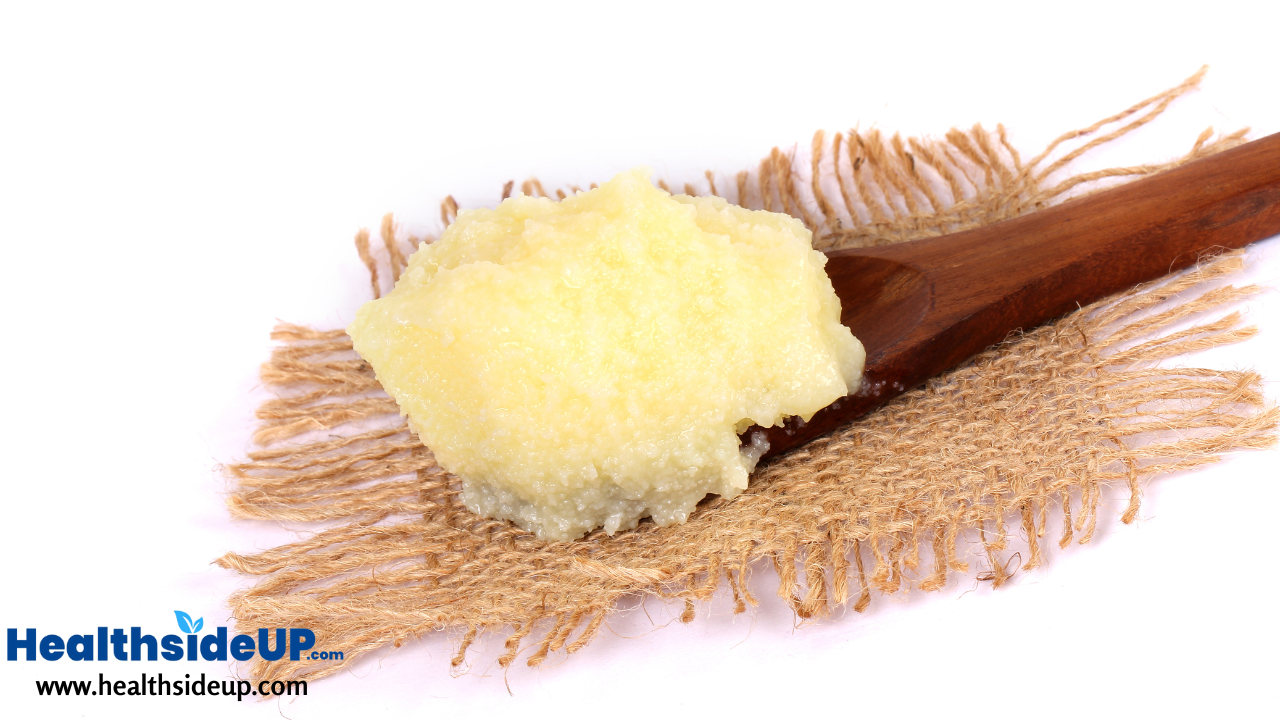
Buffalo ghee is a type of clarified butter made from the milk of buffalo. It is particularly popular in South Asian and Middle Eastern cuisines. Like cow’s ghee, buffalo ghee has its own set of nutritional contents and potential benefits. It has same making process like cow ghee; by churning buttermilk butter comes out and by heating till particular time we get ghee.
Nutritional Contents of Buffalo Ghee:
Buffalo ghee is calorie-dense, providing approximately 112-120 calories per tablespoon. It is an excellent source of energy.
Buffalo ghee is predominantly composed of fats, including saturated fats, monounsaturated fats, and polyunsaturated fats. Saturated fat constitutes the majority of its fat content.
Buffalo ghee contains fat-soluble vitamins, such as vitamin A, D, E, and K, due to the preservation of these vitamins during the clarification process. The specific vitamin content can vary depending on the source and preparation of the ghee.
Benefits of Buffalo Ghee:
Buffalo ghee has a high smoke point (around 450°F or 232°C), making it suitable for high-heat cooking methods such as frying, sautéing, and deep-frying.
Buffalo ghee is typically very low in lactose and milk proteins because these components are removed during the clarification process. This makes it an option for people with lactose intolerance or dairy allergies.
Buffalo ghee has a distinctive and robust flavor and aroma that can enhance the taste of dishes, especially in savory recipes.
The healthy fats in buffalo ghee can aid in the absorption of fat-soluble vitamins and nutrients from other foods.
Buffalo ghee is sometimes used to support healthy digestion and soothe the digestive tract. The butyric acid content in ghee may contribute to gut health.
In Ayurveda and traditional medicine in South Asia, buffalo ghee is considered a nourishing food with potential health benefits. It is believed to have a cooling effect on the body.
Buffalo ghee is used topically in some cultures for its moisturizing and healing properties, applied to the skin and hair.
Some studies suggest that ghee, including buffalo ghee, may have antioxidant properties, although more research is needed for confirmation.
As with any type of ghee, it is essential to consume buffalo ghee in moderation. While it has various potential benefits, it is calorie-dense and primarily composed of saturated fats. Individual dietary considerations, health conditions, and overall dietary patterns should be taken into account when incorporating buffalo ghee into your diet. Various sweet dishes are made from ghee. Also some people use ghee for giving tadka to various vegetables, curries. Mostly ghee is used in all Farali food stuffs.
If you have specific health concerns or dietary restrictions, it is advisable to consult with a healthcare provider or nutritionist for personalized guidance.