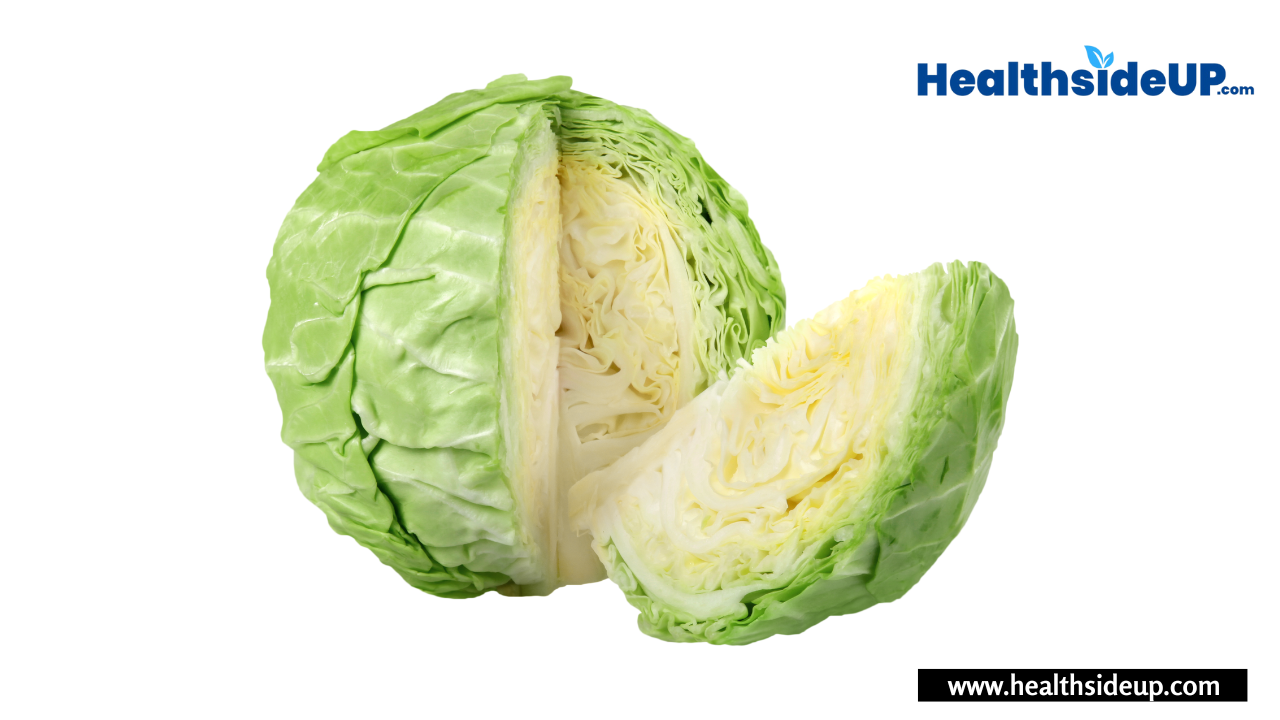
Cabbage: A Nutrient-Packed Gem
Cabbage is a cruciferous vegetable that is known for its numerous health benefits. Cabbage comes invarious varieties, with the most common types being green cabbage, red cabbage, and Savoy cabbage. Some nutritional information of Cabbage is given as under.
Nutritional Contents :
Cabbage is a low-calorie vegetable that is rich in essential nutrients. Cabbage is a good source of vitamins, particularly vitamin K, vitamin C, and various B vitamins, including folate and vitamin B6. It contains minerals such as potassium, calcium, and magnesium. Cabbage is high in dietary fiber, which supports digestive health and promotes a feeling of fullness. Cabbage is loaded with antioxidants, including flavonoids, carotenoids, and polyphenols, which help protect the body from free radical damage.
Health Benefits:
The fiber in cabbage aids in digestion, helps prevent constipation, and supports a healthy gut.
Cabbage contains compounds that may help lower cholesterol levels, reducing the risk of heart disease. It’s also a good source of potassium, which can help regulate blood pressure.
The antioxidants and sulfur compounds in cabbage are thought to have cancer-fighting properties, particularly against certain types of cancer, such as colorectal cancer.
Cabbage’s low calorie and high fiber content make it a valuable food for weight management and can be a satisfying addition to a calorie-controlled diet.
Some components in cabbage, like glucosinolates, may have anti-inflammatory properties, potentially benefiting individuals with inflammatory conditions.
Vitamin C in cabbage supports the immune system by helping the body fight off infections and illnesses.
The antioxidants in cabbage can help improve skin health and reduce signs of aging.
Varieties and Culinary Uses:
It’s a versatile ingredient in cooking and can be used in a variety of dishes. It is eaten in raw form also, Cabbage can be shredded and used in salads or coleslaw. Cooked: It can be boiled, steamed, stir-fried, or roasted and used in a wide range of recipes, including soups, stews, stir-fries, and casseroles. Fermented: Cabbage is used to make sauerkraut and kimchi, both of which are fermented foods with probiotic benefits.
Incorporating cabbage into your diet can provide a wide array of health benefits, and it’s a versatile and delicious addition to various dishes.