Cheese : The Dairy Delight
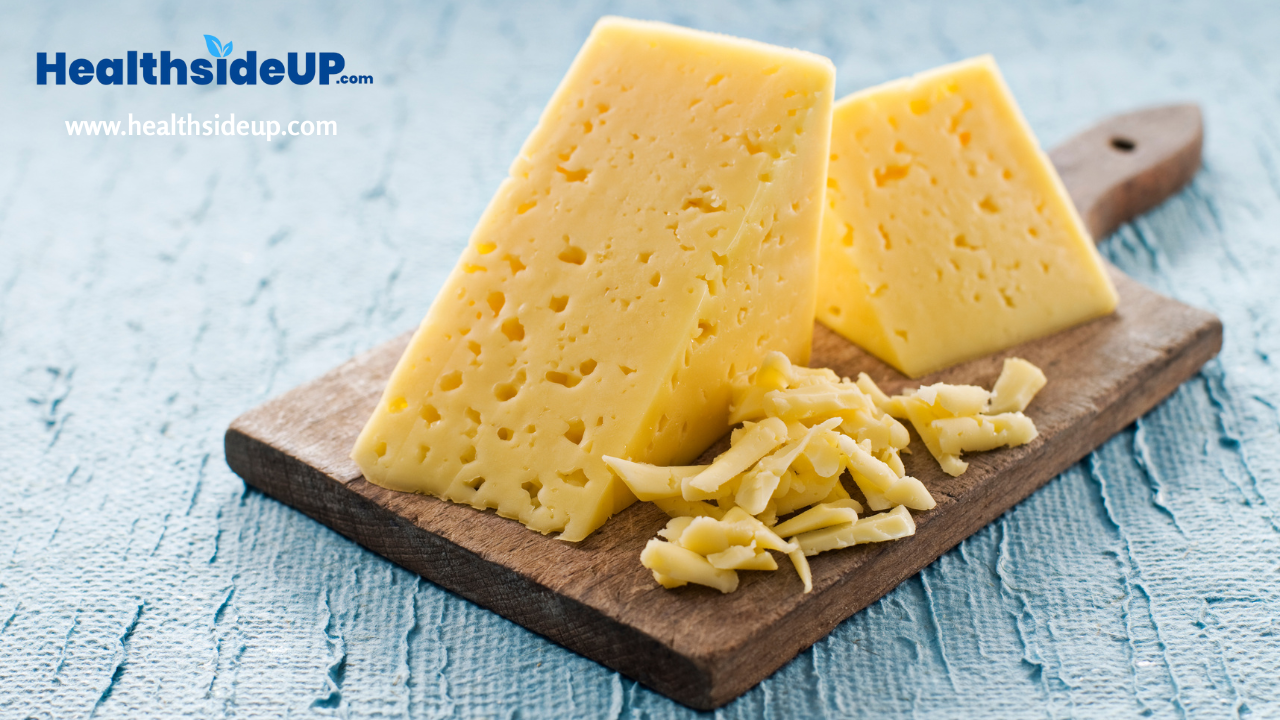
Cheese is a popular dairy product that comes in a wide variety of flavors, textures, and types. It is enjoyed by many people around the world and has both nutritional benefits and considerations. Italian Pizza is famous everywhere ; Cheese is main ingredient in it. Cheese is primarily made from milk.
Nutritional Contents of Cheese:
Cheese provides essential nutrients such as calcium, protein, and vitamins.
Cheese contains varying levels of saturated fats, which can contribute to its rich flavor and creamy texture. The fat content varies among different types of cheese.
Cheese is a good source of protein, making it a valuable addition to a balanced diet. Protein is important for building and repairing tissues in the body.
Cheese is a rich source of calcium, which is vital for maintaining strong bones and teeth.
Cheese contains various vitamins, including vitamin A, vitamin B12, and riboflavin (vitamin B2).
In addition to calcium, cheese provides minerals like phosphorus and zinc, which are important for various bodily functions.
Some cheeses can be high in sodium, so it’s important to consume them in moderation, especially if you have high blood pressure or are watching your salt intake.
Benefits of Cheese:
Cheese is nutrient-dense, meaning it provides a significant amount of essential nutrients in a relatively small serving. It’s a good source of calcium, protein, and vitamins.
The calcium in cheese is beneficial for maintaining strong bones and can help prevent osteoporosis.
Cheese is a source of high-quality protein, which is important for muscle development, repair, and overall health.
Cheese provides vitamins and minerals that are important for various bodily functions, including maintaining healthy skin, eyes, and nerves.
The combination of protein and fats in cheese can help you feel full and satisfied, which may help with appetite control and weight management.
Cheese can add depth and richness to a wide range of dishes, making them more enjoyable and flavorful. Various dishes are make by cheese like, Pizza, Pasta, Sandwich, Wraps, Salads, Burger, Cheese Pulav, various Sabjis, baked items etc.
It’s worth noting that while cheese offers several benefits, it can also be high in saturated fats and calories. This means that it should be consumed in moderation, especially if you’re watching your overall calorie intake or have concerns about heart health. Choosing low-fat or reduced-fat cheese options can be a healthier choice for those with specific dietary considerations.
Ultimately, the suitability of cheese in your diet depends on your individual dietary needs and preferences. If you have specific health concerns or dietary restrictions, it’s advisable to consult with a healthcare professional or nutritionist for personalized guidance.