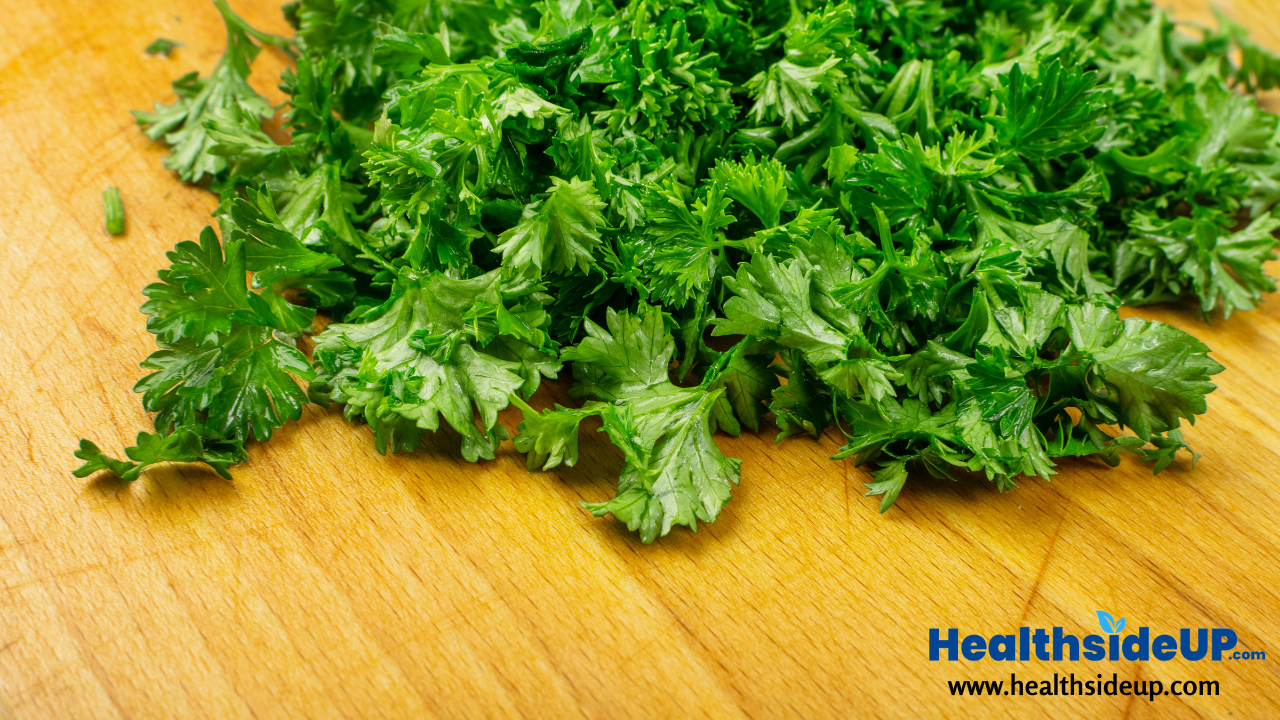
Coriander leaves (Kothimbir)
Coriander leaves are vibrant green with delicate, lacy leaves and a distinct fresh aroma. The leaves grow in clusters on slender stems. When we saw Dhana seeds this is outcome. Coriander leaves are a versatile herb used to enhance the flavor and freshness of dishes. They have a bright, citrusy, and slightly earthy flavor that adds depth to a wide range of dishes, including salads, soups, curries, salsas, and more.
Nutritional Content:
Coriander leaves are a rich source of vitamins, particularly vitamin A, vitamin C, and vitamin K.
They contain essential minerals such as potassium, calcium, magnesium, and iron.
Dietary Fiber: Coriander leaves are a source of dietary fiber, which aids in digestion and can help promote a feeling of fullness.
These leaves are packed with various phytonutrients, including carotenoids and flavonoids.
Coriander leaves are known for their antioxidant properties, which help protect cells from oxidative damage.
They contain compounds like quercetin and kaempferol, which have potential health benefits.
Health Benefits:
Coriander leaves can help improve digestion and reduce bloating and gas due to their fiber content and potential anti-inflammatory properties.
The antioxidants in coriander leaves can help combat free radicals, reducing the risk of chronic diseases and supporting overall health.
Vitamin A is essential for maintaining healthy vision, skin, and a robust immune system, and coriander leaves can contribute to your daily intake.
Coriander leaves are an excellent source of vitamin C, which is known for its immune-boosting properties and its role in collagen production for healthy skin.
Adequate vitamin K intake is essential for blood clotting and bone health, and coriander leaves provide a significant amount of this vitamin.
Coriander leaves contain calcium, which is vital for maintaining strong bones and teeth.
Potassium is crucial for regulating blood pressure, maintaining heart health, and supporting proper muscle and nerve function.
Some studies suggest that the phytochemicals in coriander leaves, particularly quercetin and kaempferol, may have anti-inflammatory effects, which can be beneficial in various health conditions.
Some research indicates that coriander leaves may have a positive impact on cholesterol levels and heart health.
Coriander leaves are believed to have properties that aid in the removal of heavy metals and toxins from the body.
Coriander leaves are a versatile herb that is used in various cuisines and dishes worldwide, not only for their unique flavor but also for their potential health benefits. They can be used as a garnish, in salads, soups, curries, and more. Incorporating coriander leaves into your diet can be a flavorful way to add essential nutrients and potential health benefits to your meals.