Coriander Seeds
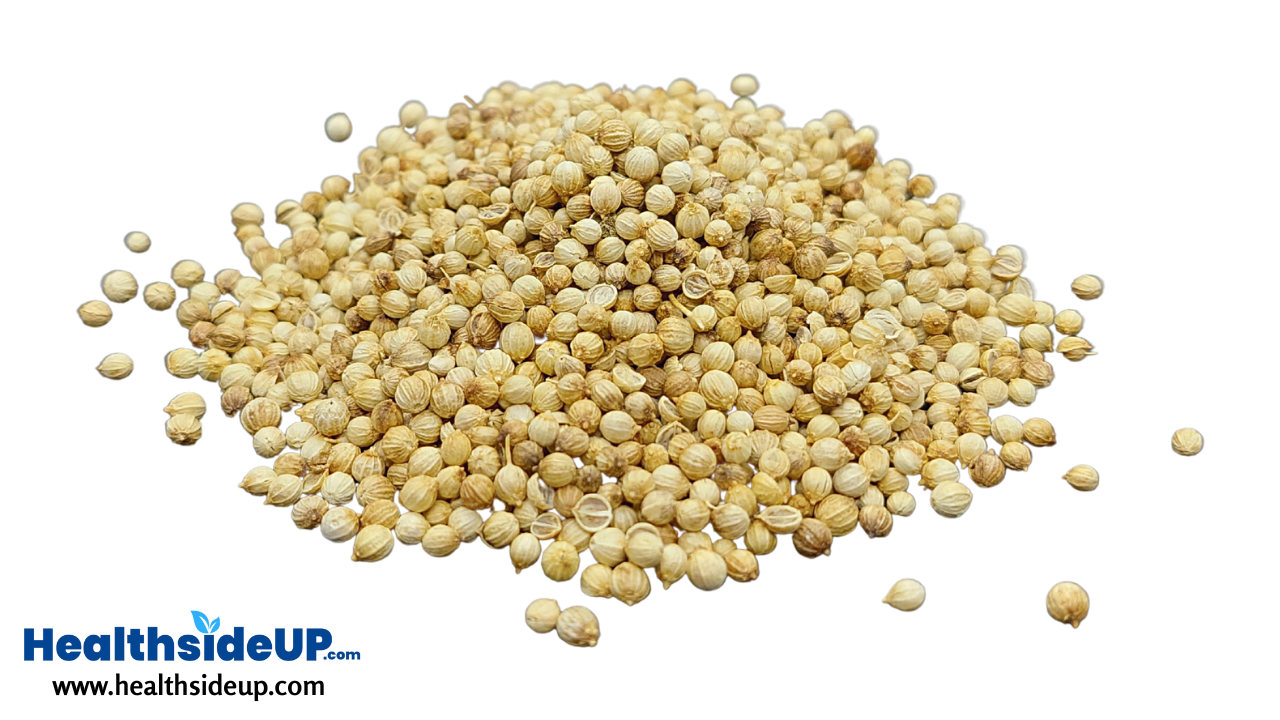
Coriander seeds, scientifically known as Coriandrum sativum, are a spice that comes from the dried fruit of the coriander plant. These seeds are an essential ingredient in many cuisines around the world and have been used for their distinctive flavor and potential health benefits. Coriander seeds are small, round, and yellowish-brown to light brown in color. They have a unique and pleasant aroma. Coriander seeds have a citrusy, slightly sweet, and mildly spicy flavor. They are often described as having a fresh and herbal quality.
Culinary Uses:
Coriander seeds are a versatile spice used in a wide range of dishes, including curries, soups, stews, pickles, and baked goods. Ground coriander is a common ingredient in spice blends like curry powder and garam masala. The seeds are often toasted or dry-roasted before use to enhance their flavor. In most of Indian sabjis and curries coriander seed powder is used with cumin seeds powder.
Nutritional Content:
Coriander seeds are a good source of dietary fiber, which is essential for digestive health and can help regulate bowel movements.
They contain protein, which is necessary for various bodily functions, including tissue repair and the production of enzymes.
Coriander seeds contain several vitamins, including vitamin C, vitamin K, and various B vitamins such as thiamin (B1), riboflavin (B2), and niacin (B3).
Coriander seeds are rich in minerals like calcium, magnesium, and iron. Calcium is essential for bone health, magnesium plays a role in muscle and nerve function, and iron is crucial for the formation of red blood cells.
Coriander seeds contain antioxidants such as quercetin, which can help protect cells from damage caused by free radicals and oxidative stress.
Potential Health Benefits:
Coriander seeds are known for their digestive benefits. They can help alleviate indigestion, gas, and bloating due to their carminative properties. The fiber in coriander seeds may also aid in regular bowel movements.
Coriander seeds have demonstrated anti-inflammatory effects in some studies, which can be beneficial for conditions characterized by inflammation.
There is evidence to suggest that coriander may help lower LDL (bad) cholesterol levels in the blood, potentially reducing the risk of heart disease.
Some research indicates that coriander may help regulate blood sugar levels, making it potentially useful for individuals with diabetes or those at risk of developing it.
Coriander seeds contain compounds that have antimicrobial properties, which can help combat various infections.
The dietary fiber in coriander seeds can contribute to a feeling of fullness and may aid in weight management.
Antioxidants in coriander seeds can protect the skin from premature aging and maintain a healthy complexion.
It’s important to note that while coriander seeds offer potential health benefits, they should be consumed as part of a balanced diet. Individual responses to coriander seeds may vary, and it’s advisable to consult with a healthcare professional before making significant dietary changes, especially if you have specific health concerns or conditions. Coriander seeds can be a flavorful addition to your meals and may provide some health advantages when used appropriately.