Cumin Seeds
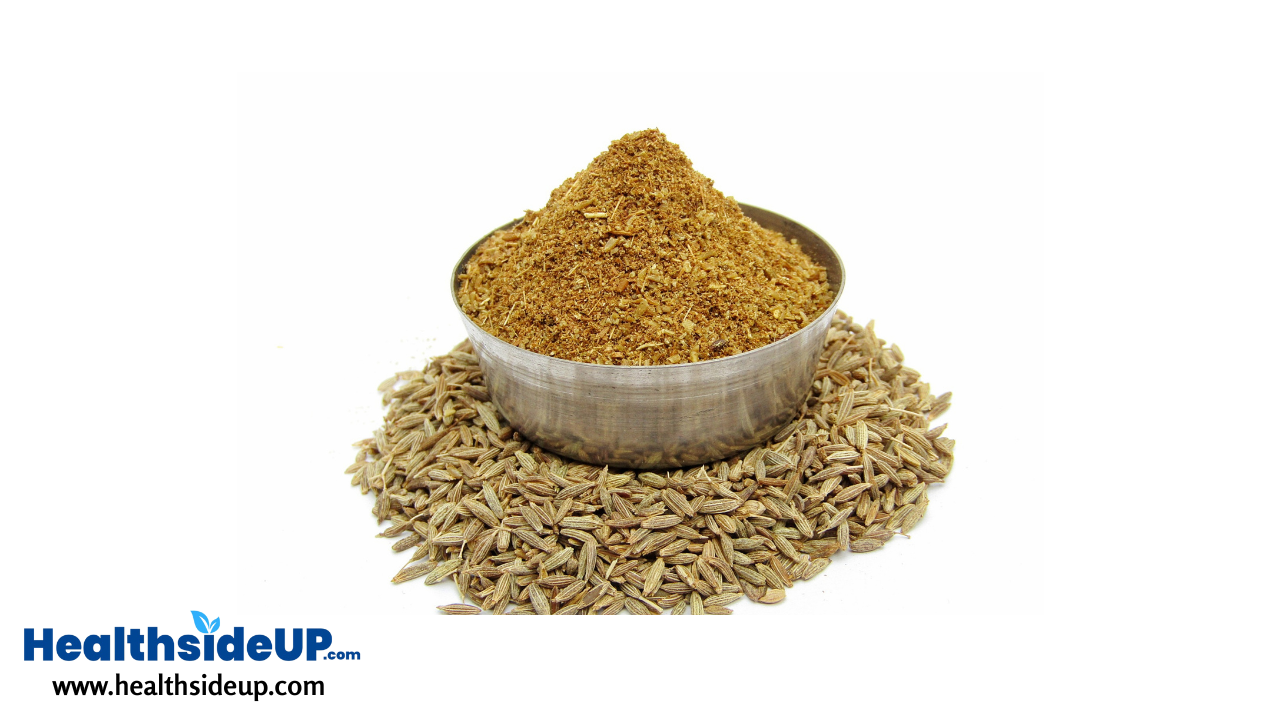
Cumin seeds, also known as jeera, are popular spices that have been used for centuries in various culinary traditions and for their potential health benefits. Cumin seeds, scientifically known as Cuminum cyminum, are a popular spice used in cuisines around the world. They come from the fruit of a flowering plant in the Apiaceae family and are known for their distinctive warm and earthy flavor. Cumin seeds are small, elongated, and have a distinctive oblong shape. They are usually brown in color, but can also be found in a lighter shade known as white cumin. Cumin seeds have a warm and earthy flavor with a slightly nutty and peppery undertone. They are commonly used to add depth and richness to dishes, particularly in Indian, Middle Eastern, and Mexican cuisines.
Culinary Uses:
Cumin seeds are a versatile spice and are often used whole or ground. They are a key ingredient in many spice blends, such as curry powder and garam masala. Cumin is used to flavor a wide variety of dishes, including soups, stews, rice, meat, and vegetable dishes. In many recipes, they are lightly toasted in oil to release their aroma and flavor before being added to the dishes. Specially in most of farali dishes, cumin seed is used like Sabudana Khichadi, Vari tandul , groundnut curry etc.
Nutritional Content:
Cumin seeds contain vitamins such as vitamin A, vitamin C, and various B vitamins, including B1 (thiamine), B2 (riboflavin), and B3 (niacin).
Cumin seeds are rich in minerals, particularly iron, manganese, and calcium.
Cumin seeds provide dietary fiber, which can support digestive health and help regulate bowel movements.
Cumin seeds contain proteins and amino acids, which are essential for various bodily functions.
Cumin seeds contain various phytonutrients and antioxidants, including flavonoids and polyphenols, which contribute to their potential health benefits.
Health Benefits:
Cumin seeds have carminative properties that can help relieve gas and bloating. They stimulate the secretion of digestive enzymes, promoting better digestion.
Cumin seeds may aid in weight management by boosting metabolism and reducing appetite, potentially leading to weight loss.
The antioxidants in cumin seeds can help reduce oxidative stress and inflammation in the body, potentially protecting against chronic diseases.
Some studies suggest that cumin seeds may help regulate blood sugar levels, making them beneficial for individuals with diabetes or those at risk of developing it.
Cumin seeds have been associated with lowering LDL (bad) cholesterol levels, which can contribute to heart health.
Cumin seeds are a good source of vitamin C, which can help boost the immune system and protect against infections.
Cumin seeds have been traditionally used to alleviate respiratory conditions like asthma, bronchitis, and coughs due to their potential anti-inflammatory and expectorant properties.
The antioxidants in cumin seeds can help maintain healthy skin by preventing premature aging and promoting a radiant complexion.
Some preliminary research suggests that cumin seeds may have anti-cancer properties, although more research is needed in this area.
It’s important to note that while cumin seeds offer potential health benefits, they should be consumed in moderation as part of a balanced diet. As with any food or supplement, individual responses can vary, and it’s advisable to consult with a healthcare professional before making significant dietary changes, especially if you have specific health concerns or conditions.