Duck eggs
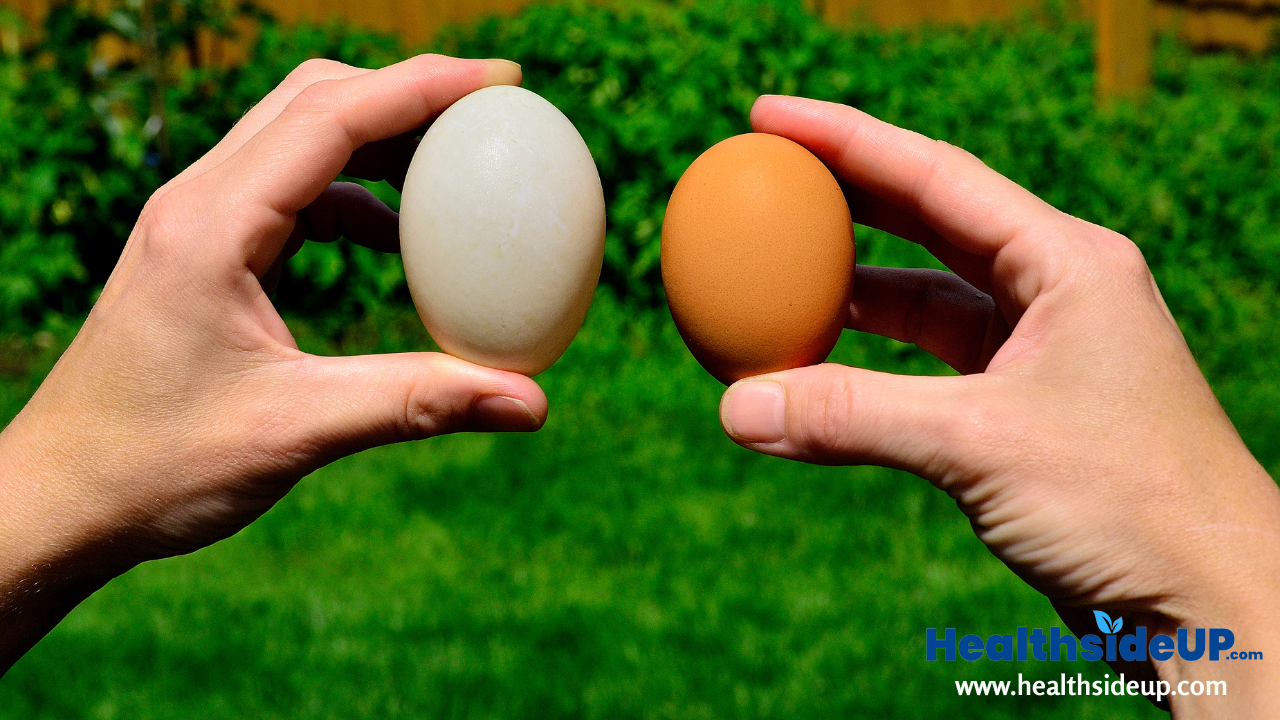
Duck eggs are a type of bird egg laid by ducks, particularly domestic ducks. They are similar in many ways to chicken eggs but have some distinct characteristics. Duck eggs are typically larger than chicken eggs. The eggshell is thicker and tougher than that of chicken eggs and is usually more challenging to crack. The color of the eggshell can vary. Duck eggs can be white, off-white, or pale blue-green, depending on the breed. Duck egg yolks are usually larger and have a richer, deeper yellow or orange color compared to chicken eggs.
Nutritional Content:
Duck eggs contain more protein than chicken eggs. They are also higher in fat, including healthy monounsaturated and polyunsaturated fats. Duck eggs tend to have more cholesterol than chicken eggs. Duck eggs are a good source of vitamins, including B-complex vitamins, vitamin A, and vitamin D. They provide minerals like selenium, iron, phosphorus, and potassium.
Benefits of Duck egg:
Duck eggs are more nutrient-dense than chicken eggs. They are a good source of essential nutrients, including protein, healthy fats, vitamins, and minerals.
Duck eggs contain more protein per egg compared to chicken eggs. This can be beneficial for those looking to increase their protein intake, such as athletes and those on high-protein diets.
Duck eggs have a richer, creamier flavor compared to chicken eggs. This enhanced taste is often appreciated in baking and cooking, making dishes more flavorful.
Duck egg yolks are generally larger and have a deeper yellow or orange color. This makes them a popular choice for recipes that rely on the yolk for color or flavor, such as custards and pastries.
Duck eggs provide various essential vitamins and minerals, including B-complex vitamins, vitamin A, vitamin D, selenium, iron, phosphorus, and potassium.
Duck eggs contain higher levels of omega-3 fatty acids compared to chicken eggs. Omega-3s are beneficial for heart and brain health.
Some people who are allergic to chicken eggs find that they can tolerate duck eggs. Cross-allergies are possible, so it’s essential to exercise caution if you have known egg allergies.
Duck eggs can be used in various dishes, just like chicken eggs. They work well in omelets, frittatas, quiches, and baked goods. Their rich flavor can add depth to your culinary creations.
Duck eggs are used in traditional and ethnic cuisines in many parts of the world. They are a key ingredient in various dishes, especially in Asian cuisine.
Due to their rich flavor and high fat content, duck eggs are favored for making custards, cakes, pastries, and other desserts. They can result in creamier and more decadent baked goods.
Duck eggs provide a good source of iron, which is important for maintaining healthy blood and preventing iron-deficiency anemia.
The higher protein content in duck eggs can contribute to a feeling of fullness, which may aid in weight management by reducing overall food intake.
Culinary Uses: Duck eggs have a richer, creamier taste compared to chicken eggs. This richer flavor is often appreciated in baking and cooking. They are used in a variety of dishes, including omelets, frittatas, quiches, and baked goods like cakes and bread. Duck eggs are favored for making custards and other desserts due to their high fat and protein content. In some regions, they are used in traditional dishes and are especially popular in Asian cuisines.
While duck eggs offer several benefits, it’s important to remember that they are not a suitable option for everyone, particularly if you have allergies or dietary restrictions. If you are interested in trying duck eggs, consider incorporating them into your diet for variety and to take advantage of their unique qualities. Some people who are allergic to chicken eggs may find that they can tolerate duck eggs. However, cross-allergies are possible, so it’s essential to exercise caution if you have known egg allergies.