Exploring the Versatile Foxtail Millet
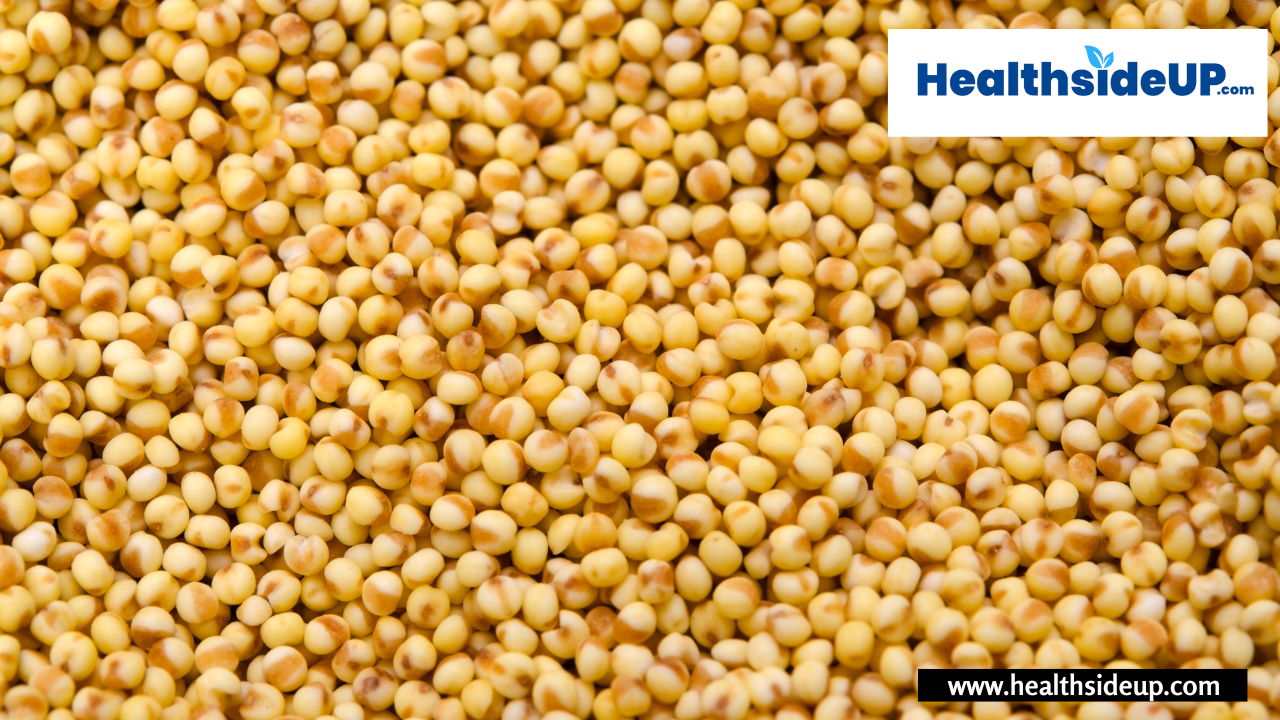
Foxtail millet (Setaria italica) is a lesser-known but highly nutritious cereal grain that has been a staple food in many parts of Asia for centuries. In recent years, it has gained recognition worldwide for its impressive health benefits and versatility in various culinary applications. This article delves into the comprehensive information about foxtail millet, covering its nutritional profile, cultivation, and numerous health advantages.
Nutritional Profile: Foxtail millet is rich in macronutrients. Foxtail millet is a good source of carbohydrates, providing sustained energy. It contains a moderate amount of protein, making it an essential component of vegetarian and vegan diets. This millet is rich in dietary fiber, which aids in digestion, promotes satiety, and supports overall digestive health. Foxtail millet contains essential vitamins like niacin, folic acid, and vitamin B6, along with minerals such as iron, magnesium, phosphorus, and zinc. These contribute to various bodily functions, including immunity, bone health, and blood circulation. It has Low Glycemic Index. So it is an ideal choice for individuals with diabetes as it helps stabilize blood sugar levels.
Cultivation and Sustainability:
Foxtail millet is a drought-resistant crop, making it suitable for regions with limited water resources. It can grow in a wide range of soil types and climatic conditions. It has a relatively short growth cycle, allowing for multiple harvests in a single year. This makes it an attractive option for small-scale and subsistence farming. Foxtail millet is often used in crop rotation to improve soil fertility and reduce pest and disease pressure in agricultural fields.
Foxtail millet can be used in various culinary preparations, like Porridge, Upama, Biryani, Dosa, Idali and Flour for baking and making flatbreads.
Health Benefits:
- Weight Management: The high fiber content in foxtail millet promotes a feeling of fullness, aiding in weight management by reducing overall calorie intake.
- Heart Health: Its low levels of saturated fats and cholesterol, coupled with potassium and magnesium, support cardiovascular health by maintaining blood pressure and reducing the risk of heart disease.
- Digestive Health: The dietary fiber in foxtail millet aids in smooth digestion, prevents constipation, and promotes a healthy gut microbiome.
- Bone Health: It is a good source of calcium and phosphorus, contributing to strong bones and teeth.
- Antioxidant Properties: Foxtail millet contains antioxidants like polyphenols, which combat oxidative stress and reduce the risk of chronic diseases.
- Gluten-Free: It is naturally gluten-free, making it suitable for those with celiac disease or gluten intolerance.
Foxtail millet is a nutritious, sustainable, and versatile grain that offers a wide range of health benefits. Its adaptability in cultivation, coupled with its valuable nutritional content, makes it an essential ingredient for both traditional and modern diets. Incorporating foxtail millet into your meals can contribute to improved health and well-being while supporting sustainable agricultural practices.