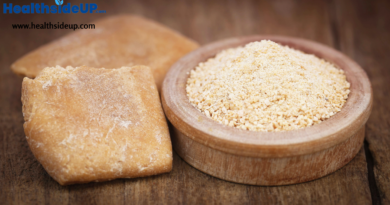
Fenugreek Seeds
Fenugreek seeds, scientifically known as Trigonella foenum-graecum, are small, amber-colored seeds that are commonly used in cooking and traditional medicine. These seeds are known for their unique flavor and potential health benefits. Fenugreek seeds are small, yellowish-brown to amber-colored seeds that are roughly rectangular in shape. They have a distinctive, somewhat bitter taste and a strong, aromatic aroma.
Culinary Uses:
Fenugreek seeds are used as a spice in a variety of dishes, particularly in Indian, Middle Eastern, and North African cuisines. They are often roasted or toasted to enhance their flavor before being used in recipes. Ground fenugreek is also a common spice. In India it has lots of importance in making various masalas. Specially in pickles fenugreek seeds has lot of importance.
Nutritional Content:
Fenugreek seeds are a rich source of various nutrients, seeds are protein-rich, making them a valuable addition to vegetarian diets.
These seeds are high in dietary fiber, which supports digestive health and can aid in weight management.
Fenugreek seeds contain vitamins like vitamin B1 (thiamine), vitamin B2 (riboflavin), and vitamin B3 (niacin).
They are a good source of minerals such as iron, magnesium, potassium, and zinc.
Fenugreek seeds contain various bioactive compounds, including saponins, flavonoids, and alkaloids, which contribute to their potential health benefits.
Potential Health Benefits:
Fenugreek seeds have been studied for their potential to help regulate blood sugar levels. They may improve insulin sensitivity and reduce the risk of type 2 diabetes.
Some research suggests that fenugreek seeds can help lower LDL (bad) cholesterol levels and reduce the risk of heart disease.
The high fiber content in fenugreek seeds can aid digestion, relieve constipation, and promote bowel regularity.
Fenugreek is well-known for its galactagogue properties, which means it can stimulate breast milk production in nursing mothers.
Fenugreek seeds contain compounds with anti-inflammatory properties that may help reduce inflammation and alleviate certain conditions.
The dietary fiber in fenugreek seeds can contribute to a feeling of fullness and may support weight management by reducing overall food intake.
Some women use fenugreek to alleviate menstrual discomfort, including cramps and bloating.
Fenugreek’s anti-inflammatory and antioxidant properties can help maintain healthy skin and alleviate skin conditions.
In some cultures, fenugreek is considered an aphrodisiac and is believed to improve libido and sexual performance.
It’s important to note that while fenugreek seeds offer potential health benefits, they should be consumed as part of a balanced diet. Individual responses to fenugreek seeds may vary, and it’s advisable to consult with a healthcare professional before making significant dietary changes, especially if you have specific health concerns or conditions. Fenugreek seeds are a versatile and nutritious spice that can add flavor and potential health advantages to your meals.