Gul/Jaggery
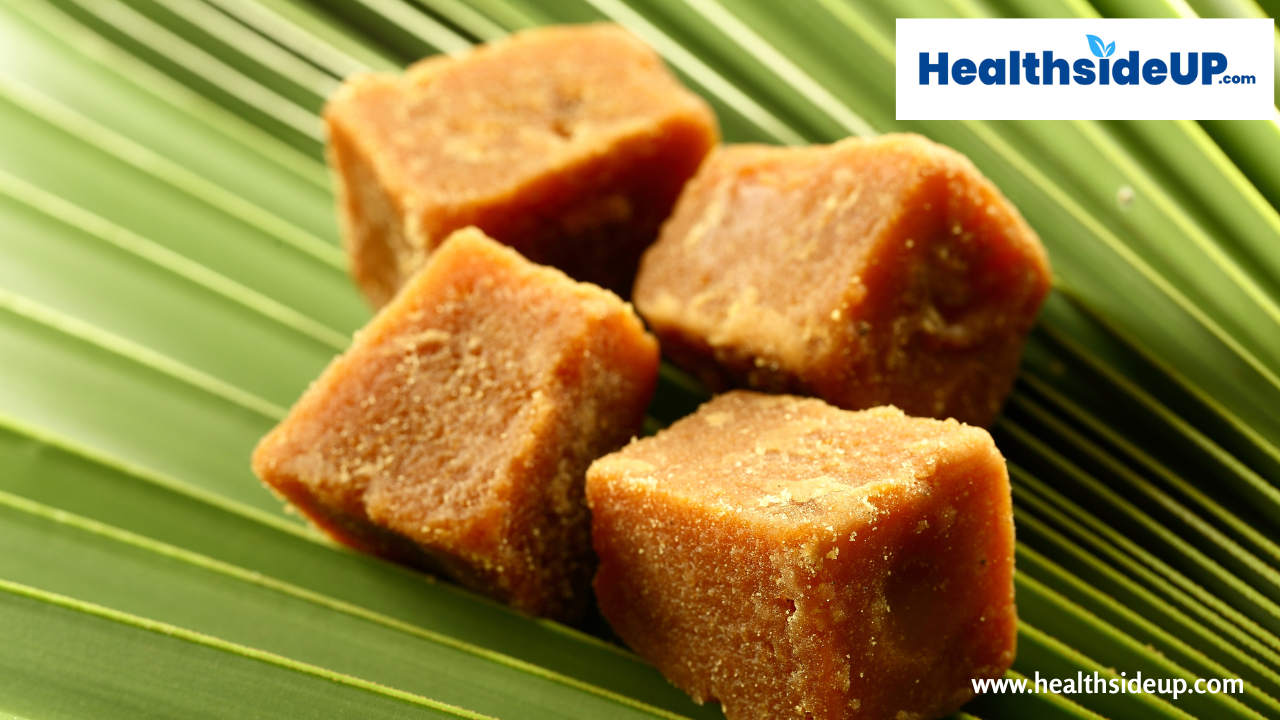
Jaggery, also known as “Gur/Gul” in some regions, is a traditional non-centrifugal sugar product made from sugarcane. It is a popular sweetener in many countries, especially in South Asia. Jaggery is considered a healthier alternative to refined sugar due to its minimally processed nature and the presence of several beneficial nutrients.
Contents of Jaggery:
Jaggery primarily consists of sucrose, a natural sugar that is also found in refined sugar.
Like table sugar, jaggery contains glucose and fructose, which provide sweetness and energy.
Jaggery is a good source of essential minerals, including iron, calcium, magnesium, potassium, and phosphorus. The specific mineral content can vary depending on the processing method and the source of the sap.
Jaggery contains small amounts of vitamins, such as B vitamins (particularly B6 and folate) and vitamin C.
Jaggery contains various phytonutrients and antioxidants, which can contribute to its potential health benefits.
Benefits of Jaggery:
Jaggery is considered a healthier sweetener compared to refined sugar because it contains minerals and vitamins, making it a more nutritious choice.
Jaggery is a good source of iron, which can be especially beneficial for individuals with iron deficiency or anemia.
Some people believe that jaggery can aid in digestion. It is thought to stimulate digestive enzymes and reduce digestive issues, such as constipation.
Jaggery is used as a home remedy for various respiratory problems, including coughs and asthma. It is believed to help clear the respiratory tract.
The natural sugars in jaggery, such as glucose and fructose, provide a quick source of energy and are often consumed by athletes and those in need of an energy boost.
The iron and other minerals in jaggery may help enhance the absorption of nutrients in the body. Some women use jaggery to alleviate menstrual symptoms, such as cramps and bloating.
The iron content may also be beneficial for women with heavy menstrual periods.
Jaggery contains antioxidants and phytonutrients that may have anti-inflammatory effects in the body.
It’s important to consume jaggery in moderation because it is still a source of natural sugars and calories. Additionally, the processing method can affect its nutritional content, with unrefined or “organic” jaggery generally being considered a healthier option. If you have specific dietary concerns or health conditions, it’s advisable to consult with a healthcare professional or a registered dietitian before making significant changes to your diet, including the inclusion of jaggery.