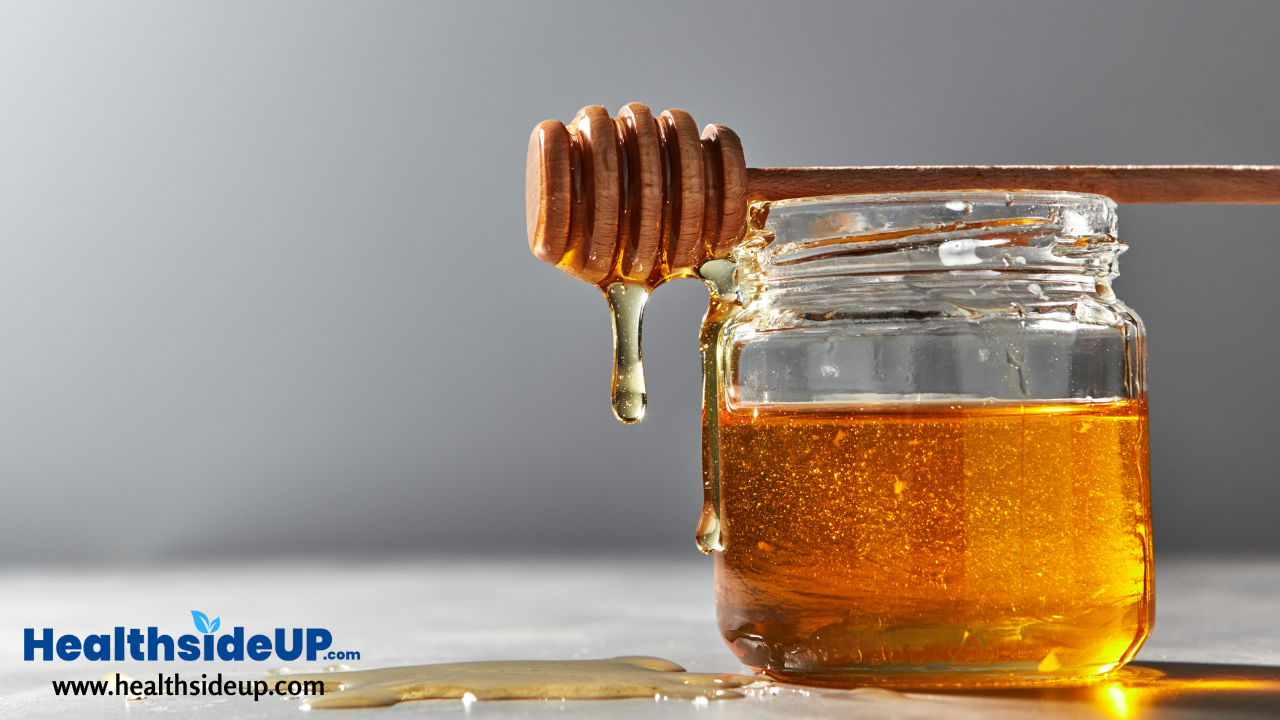
Honey
Honey is a natural sweet substance produced by bees from the nectar of flowers. As we know it is possible due to Honeybee. It has been consumed by humans for thousands of years and is not only known for its sweet taste but also for its potential health benefits.
Contents of Honey:
Honey is primarily composed of natural sugars, including glucose and fructose, which give it its sweet taste.
Honey contains a small percentage of water, typically around 17-20%.
Honey can contain trace amounts of vitamins and minerals, such as vitamin C, calcium, iron, and various B vitamins. The specific content can vary depending on the type of flowers the bees collected nectar from.
Honey contains a variety of phytonutrients, including antioxidants like flavonoids and phenolic compounds, which can have health benefits.
Benefits of Honey:
Honey is a natural alternative to refined sugars and can be used to sweeten foods and beverages. It has a distinctive flavor and can be an excellent addition to recipes.
Honey contains antioxidants that can help protect the body from oxidative stress and reduce the risk of chronic diseases. Darker varieties of honey, such as buckwheat honey, tend to have higher antioxidant levels.
Honey has been used for centuries as a natural remedy for soothing sore throats and alleviating coughs. It can help reduce throat irritation and cough symptoms.
Honey has antibacterial and anti-inflammatory properties, making it useful for promoting wound healing. It can be applied topically to minor cuts and burns.
Some people find that honey can help alleviate digestive issues, such as mild constipation. Honey, particularly when consumed with warm water or herbal teas, can have a soothing effect on the digestive system.
Consuming local honey might expose the body to small amounts of local pollen, potentially reducing seasonal allergies over time. However, more research is needed to confirm this effect.
The natural sugars in honey, primarily glucose and fructose, provide a quick source of energy. It’s often used by athletes for a natural energy boost during workouts.
Honey’s antibacterial and anti-inflammatory properties can make it a natural ingredient in skincare products. It can be used in face masks and other topical applications for its potential skin benefits.
It’s important to note that while honey has several potential benefits, it is still high in calories and natural sugars, so it should be consumed in moderation. Raw, unprocessed honey is generally considered to be the most beneficial because it retains more of its natural nutrients and antioxidants. People with diabetes should use honey with caution and consult with a healthcare professional, as it can still impact blood sugar levels. Additionally, honey should not be given to infants under one year of age due to the risk of botulism.