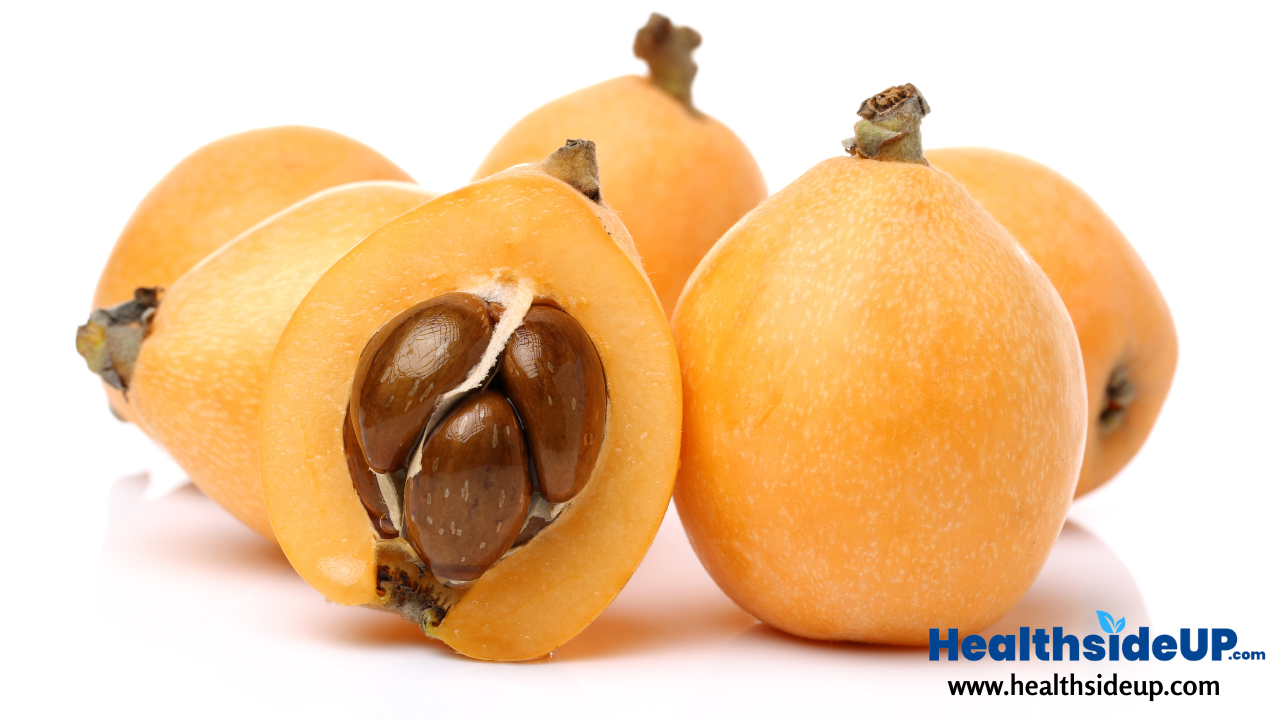
Loquats: The Sweet and Nutrient-Packed Delight
Loquats, scientifically known as Eriobotrya japonica, are small, orange, or yellowish fruit-bearing trees native to southeastern China. They are cultivated in many parts of the world for their sweet and slightly tangy fruit. Loquat fruits are small, round or pear-shaped, and typically orange or yellow when ripe. They have a sweet and slightly tart flavor. Loquat trees are relatively easy to grow and are appreciated for their attractive foliage and shade. They thrive in subtropical and Mediterranean climates.
Nutritional Value and Benfits of Loquats :
Loquats are a good source of vitamins (especially vitamin A and vitamin C), dietary fiber, and minerals like potassium and manganese. Loquats offer various potential health benefits, including antioxidant properties due to their vitamin C content, support for digestive health due to dietary fiber, and potential immune-boosting effects. Loquats contain dietary fiber, which aids in digestion and helps prevent constipation. It promotes regular bowel movements and supports overall digestive health. Loquats contain antioxidants like vitamin C and other compounds such as polyphenols and carotenoids. These antioxidants help reduce oxidative stress and lower the risk of chronic diseases by neutralizing harmful free radicals. The potassium content in loquats can help regulate blood pressure, reducing the risk of heart disease. The fiber in loquats can also help lower cholesterol levels, further promoting heart health. Loquats are relatively low in calories and fat, making them a healthy snack option for those trying to manage their weight. Vitamin A content in loquats supports eye health and may help prevent age-related macular degeneration. Vitamin C in loquats strengthens the immune system and helps the body fight off infections and illnesses. The antioxidants in loquats can contribute to healthy, radiant skin by reducing signs of aging and protecting against damage from UV rays and pollution. Some compounds in loquats may have anti-inflammatory properties, potentially reducing the risk of chronic inflammatory conditions. Loquats contain minerals like calcium and phosphorus, which are essential for maintaining strong bones and teeth.
Culinary Uses: Loquats can be eaten fresh, used in jams, jellies, and desserts, or even added to salads for a sweet and refreshing touch.
It’s important to consume loquats in moderation as part of a balanced diet. While they offer numerous health benefits, they also contain natural sugars, so individuals with diabetes should monitor their intake. Additionally, some people may be allergic to loquats, so it’s a good idea to exercise caution if you’re trying them for the first time. As with any dietary changes, it’s advisable to consult with a healthcare professional or nutritionist for personalized advice based on your specific health needs and circumstances.