
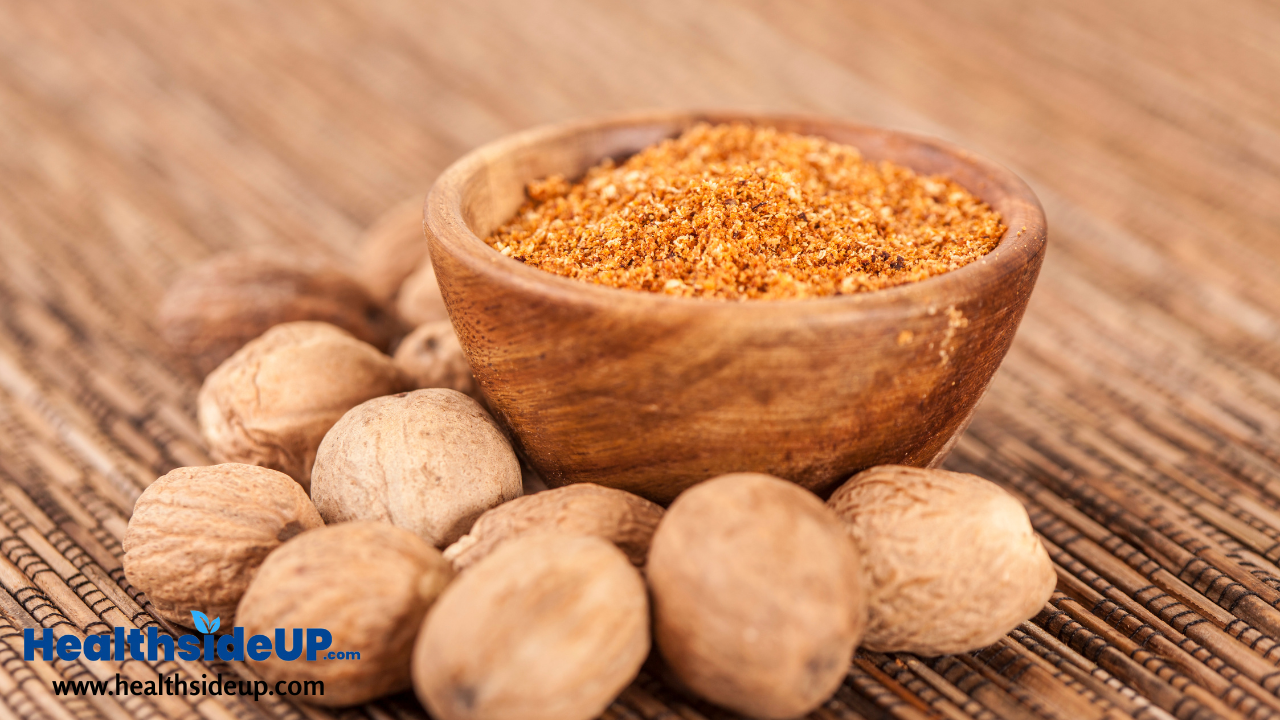
Nutmeg
Jayphal or Nutmeg is a popular spice with a warm, sweet, and slightly nutty flavor. It comes from the seed of the fruit of Myristica fragrans, an evergreen tree native to Indonesia, and is used in various culinary applications around the world. Nutmeg is a small, brownish seed encased in a hard, reddish-brown shell, also known as mace. The spice has a warm, sweet, and slightly nutty flavor. Freshly grated nutmeg has a more intense flavor than pre-ground nutmeg.
Culinary Uses:
Nutmeg is a versatile spice used in both sweet and savory dishes. It’s a common ingredient in baking, adding depth to cakes, cookies, and pastries. It’s also used in custards, puddings, and eggnog. In savory dishes, it’s used in sauces, soups, and stews to enhance flavor. In India most of the sweets are unfulfilled without nutmeg like Shrikhand, various Kheers (Payasam). In savory dishes ,making masalas for various curries and sabjis it has important role.
Nutritional Content:
Nutmeg is a good source of several essential nutrients, including:
Nutmeg contains dietary fiber, which can aid in digestion and promote bowel regularity.
It provides a range of vitamins, including vitamin A, vitamin C, and various B vitamins such as thiamin (B1), riboflavin (B2), and niacin (B3)
Nutmeg is rich in minerals like calcium, iron, magnesium, and potassium. These minerals are essential for various bodily functions, including bone health and muscle function.
Nutmeg contains antioxidants, such as phytonutrients and essential oils, which can help protect cells from damage caused by free radicals and oxidative stress.
Potential Health Benefits:
Nutmeg has been used traditionally to aid digestion and reduce symptoms of indigestion, bloating, and gas. The dietary fiber in nutmeg can contribute to digestive regularity.
Nutmeg contains compounds that have anti-inflammatory properties, which may help reduce inflammation in the body.
Some studies suggest that nutmeg’s bioactive compounds may have neuroprotective properties and could potentially enhance cognitive function.
Nutmeg has been used in traditional medicine for its potential analgesic (pain-relieving) properties, although it should be consumed in culinary amounts, and not in excessive quantities.
In some traditional remedies, nutmeg has been used as a mild sedative and mood enhancer, but consuming large amounts can be harmful.
It’s important to note that while nutmeg offers potential health benefits, it should be used in moderation as a spice in culinary applications. Excessive consumption of nutmeg can lead to adverse effects, including nausea, hallucinations, and other toxic reactions due to the presence of a compound called myristicin. Consuming culinary amounts of nutmeg as a flavoring in food is generally safe.
As with any spice or dietary component, individual responses may vary, and it’s advisable to consult with a healthcare professional before making significant dietary changes, especially if you have specific health concerns or conditions. Nutmeg can be a flavorful addition to your recipes and may provide some health benefits when used appropriately.

