Parwal
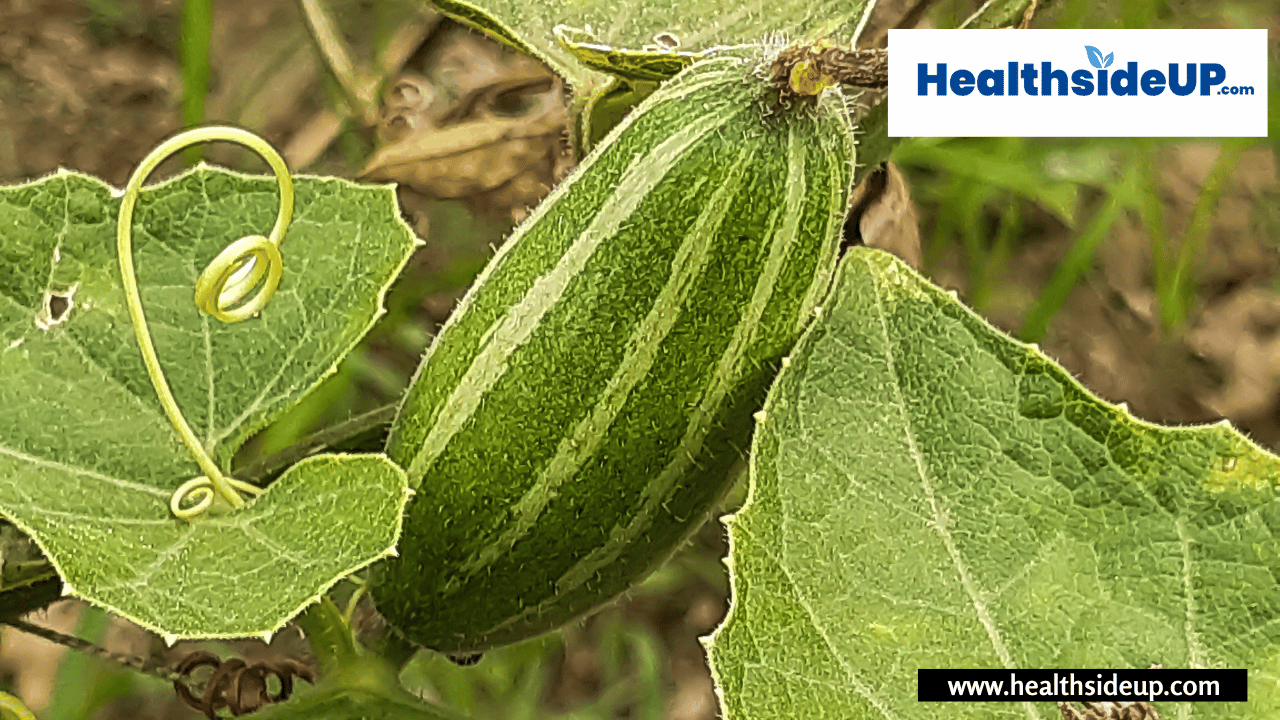
Parwal, also known as pointed gourd or Trichosanthes dioica, is a vegetable commonly grown and consumed in various parts of India and some other South Asian countries. Parwal is a small, cylindrical, and green vegetable with pointed ends. It is usually about 2-4 inches long and has a slightly ridged or grooved surface. Parwal has a mild and slightly bitter taste. The texture of parwal is somewhat crisp when cooked, and it can be a bit sponge-like. It can be used in both savory and sweet dishes.
Nutritional Content :
Parwal is a good source of dietary fiber, which is essential for digestive health. It can help prevent constipation and promote regular bowel movements.
Parwal contains various vitamins, including vitamin C, which is an antioxidant that supports the immune system and skin health. It also provides vitamin A, which is important for vision and skin health, and various B vitamins that are essential for energy metabolism.
Parwal contains minerals like potassium, which is important for maintaining proper blood pressure, and iron, which is crucial for oxygen transport in the body.
It contains various phytonutrients and antioxidants that help protect the body from oxidative stress and may have potential health benefits.
Potential Health Benefits:
The dietary fiber in parwal can aid in digestion, prevent constipation, and support a healthy gut.
Its low calorie content and high fiber can contribute to weight management by promoting a feeling of fullness.
Vitamin C in parwal is known for its immune-boosting properties, helping the body fight off infections.
Vitamin A is essential for skin health and may help maintain healthy skin.
The potassium in parwal can help regulate blood pressure and reduce the risk of heart-related issues.
Parwal contains antioxidants and phytonutrients that may have anti-inflammatory effects.
The dietary fiber in parwal can help regulate blood sugar levels and may be beneficial for individuals with diabetes.
Some minerals found in parwal, such as calcium and phosphorus, are important for maintaining strong and healthy bones.
It’s important to note that the specific nutritional content and potential health benefits of parwal can vary based on factors such as how it’s prepared and the overall dietary context. While parwal can be a healthy addition to a balanced diet, it should be consumed as part of a diverse range of fruits and vegetables to obtain a wide spectrum of nutrients.