Plum
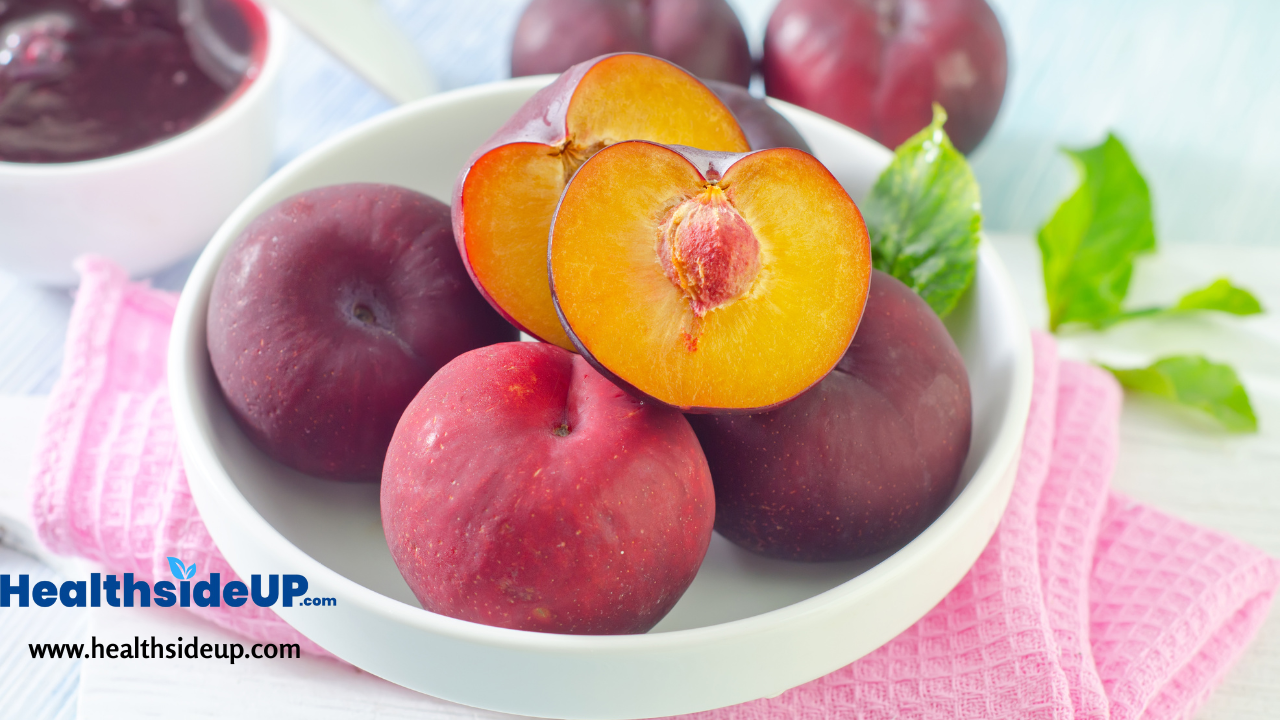
Plums are delicious and nutritious fruits that come in various varieties, each with its unique flavor and appearance. They offer a range of health benefits due to their nutritional content. In India it is called as Alubukhar. Plums come in different varieties, including European plums, Japanese plums, and American plums. Each variety has its unique flavor and is used for various culinary purposes, such as eating fresh, making jams, or baking in desserts. Plums are typically in season during the summer months, from late spring to early fall, depending on the variety and location.
Culinary Uses: Plums can be enjoyed in a variety of ways, including eating them fresh, using them in smoothies, making juice, jams and preserves, incorporating them into salads, and baking them into pies, tarts, and cakes.
Nutritional Content:
Plums are a good source of vitamins, including vitamin C, vitamin K, vitamin A, and various B vitamins like B1 (thiamine), B2 (riboflavin), B3 (niacin), B6 (pyridoxine), and folate.
Plums are rich in dietary fiber, which aids in digestion, promotes a feeling of fullness, and helps regulate blood sugar levels.
Plums are packed with antioxidants, such as phenolic compounds and anthocyanins, which help protect cells from oxidative stress and reduce the risk of chronic diseases.
Plums contain essential minerals like potassium, manganese, and copper.
Health Benefits:
The fiber in plums promotes healthy digestion and can help prevent constipation. Plums are often used as a natural remedy for digestive issues.
Plums are rich in antioxidants, which help combat free radicals and reduce the risk of chronic diseases, including heart disease and cancer.
The potassium in plums can help regulate blood pressure, reducing the risk of hypertension and cardiovascular diseases.
Plums are a source of vitamin K, which is important for bone health and plays a role in blood clotting.
The fiber in plums can help you feel full, potentially aiding in weight management.
The vitamin C in plums is essential for skin health and may help in the formation of collagen, a protein that keeps the skin healthy and youthful.
The vitamin C in plums also supports the immune system by helping the body fight off infections and illnesses.
Some studies suggest that the antioxidants in plums may have neuroprotective properties and could potentially benefit cognitive function.
The fiber and low glycemic index of plums can help regulate blood sugar levels, making them a suitable fruit for individuals with diabetes.
Plums are not only delicious but also provide a range of health benefits, making them a valuable addition to a healthy diet. They are versatile and can be used in both sweet and savory dishes, making them a popular fruit choice in many cuisines around the world.