Pomegranate
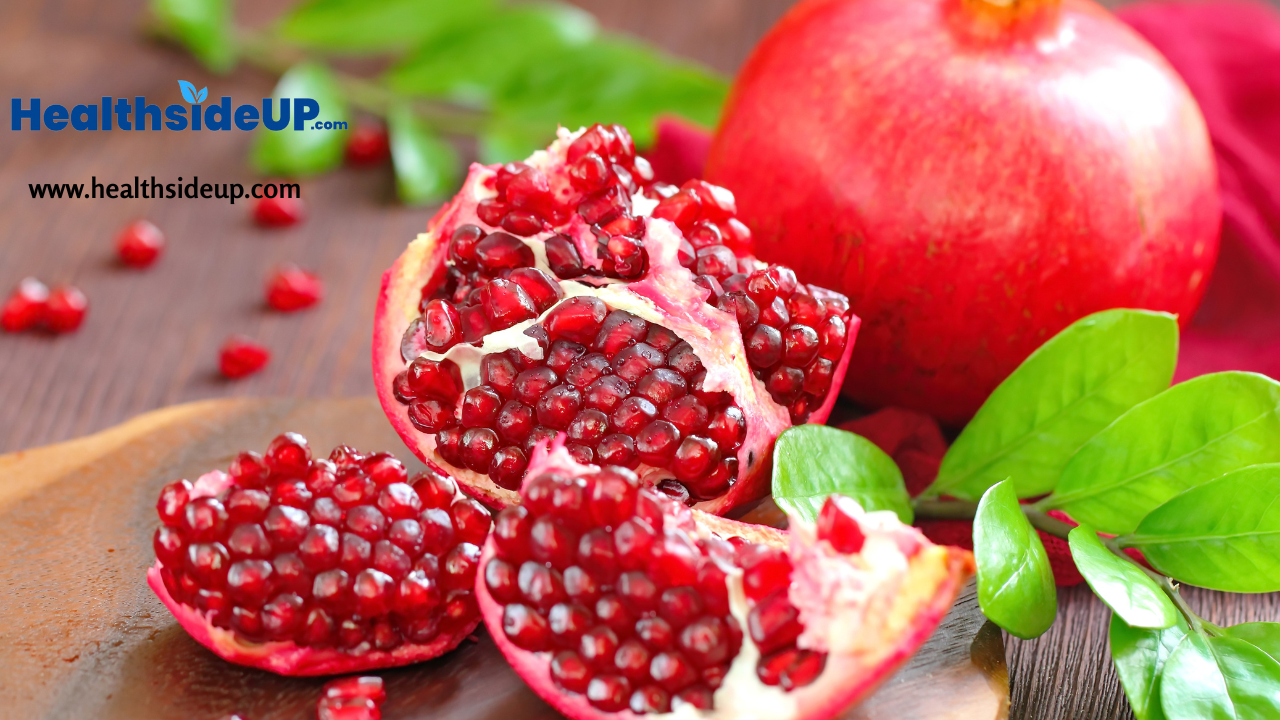
Pomegranate/Dalimb is a fruit known for its sweet, tangy flavor and vibrant red seeds, called arils. It is not only delicious but also packed with numerous health benefits. Pomegranate, scientifically known as Punica granatum, is a fruit-bearing shrub or small tree. It is native to the Middle East but is now cultivated in various regions around the world. Dalimb/Pomegranate has a thick, leathery skin that can range in color from yellow to deep red. Inside, the edible part of the fruit consists of numerous juicy, red or pink arils, which are the seed sacs filled with sweet-tart juice. In India, Solapur, Maharashtra is famous for Ganesh Dalimb (Big & beautifull colour).
Nutritive Contents with Benefits:
Pomegranates are rich in antioxidants, including anthocyanins, flavonols, and tannins. These antioxidants help protect the body from oxidative stress and free radical damage, reducing the risk of chronic diseases.
Pomegranates are an excellent source of vitamin C, which is essential for a strong immune system and healthy skin. Vitamin K is important for blood clotting and bone health. Vitamin (B9) Folate, is essential for DNA synthesis and repair, making it important for cell growth and division.
Pomegranates contain potassium, which helps regulate blood pressure and maintain proper muscle and nerve function.
Pomegranates are a good source of dietary fiber, which aids in digestion, promotes a feeling of fullness, and helps regulate blood sugar level.
Powerful antioxidants found in pomegranates are known to have three times the antioxidant capacity of red wine and green tea. They may contribute to heart health and have anti-inflammatory effects.
Another polyphenol found in pomegranates, Ellagic acid, may have anti-cancer properties.
Pomegranates contain compounds that have anti-inflammatory properties, which can help reduce the risk of chronic inflammatory diseases.
Pomegranates have been shown to improve cholesterol levels by reducing LDL (bad) cholesterol and increasing HDL (good) cholesterol. They can help lower blood pressure, potentially reducing the risk of heart disease and stroke.
Some studies suggest that pomegranate extracts may inhibit the growth of cancer cells, particularly in prostate and breast cancer. The antioxidants in pomegranates may help protect cells from DNA damage, which is a key factor in the development of cancer.
Emerging research indicates that pomegranate consumption may have a positive impact on memory and cognitive function, possibly due to its neuroprotective properties.
The dietary fiber in pomegranates can aid in digestion and promote a healthy gut.
Pomegranates’ high vitamin C content can help maintain healthy and youthful-looking skin. The antioxidants may also protect the skin from sun damage.
The fiber in pomegranates can promote a feeling of fullness, potentially aiding in weight management.
It’s important to note that while pomegranates offer many potential health benefits, they are just one component of a healthy diet. Including a variety of fruits and vegetables in your diet is key to obtaining a wide range of nutrients and maximizing health benefits.
Is this conversation helpful so far?