
Potassium
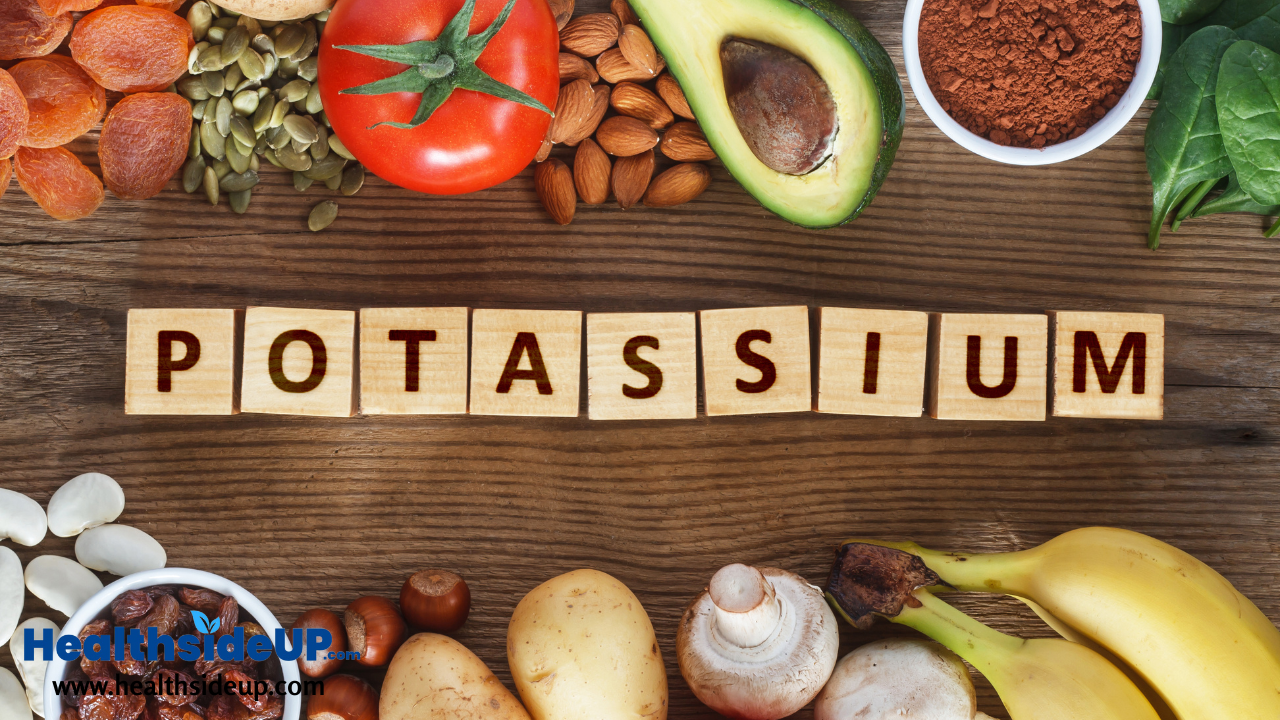
Potassium is an essential mineral that plays a critical role in the human body. It is involved in various physiological functions and is vital for maintaining overall health. Good dietary sources of potassium include fruits (especially bananas, oranges, and cantaloupe), vegetables (such as potatoes, spinach, and sweet potatoes), legumes, dairy products, and some fish (e.g., salmon). Potassium is also found in smaller amounts in nuts, seeds, and whole grains.
Role of Potassium in Human Body:
Potassium is one of the body’s major electrolytes, along with sodium and chloride. It plays a key role in maintaining the body’s fluid and electrolyte balance, which is essential for proper cell function, nerve transmission, and muscle contraction.
Potassium is crucial for the transmission of nerve impulses. It helps generate and transmit electrical signals in nerve cells. These signals are responsible for sensory perception, muscle movement, and coordination.
Potassium is essential for muscle contraction, including the contraction of skeletal muscles (voluntary muscles) and smooth muscles (involuntary muscles, such as those found in the digestive tract and blood vessels). It works in conjunction with calcium and sodium to regulate muscle contractions.
The heart is a muscle, and potassium is vital for regulating its electrical activity. It helps maintain a stable and regular heartbeat. Proper potassium levels are essential for heart rhythm and overall cardiovascular health.
Potassium can help counteract the effects of sodium on blood pressure. Adequate potassium intake can promote blood vessel relaxation and help lower blood pressure. High blood pressure (hypertension) is a risk factor for cardiovascular disease.
Potassium is involved in maintaining the body’s acid-base balance, helping to keep the blood and bodily fluids at an optimal pH level.
The kidneys play a crucial role in regulating potassium levels in the body. They filter excess potassium from the blood and excrete it in urine to maintain proper potassium balance.
The recommended daily intake of potassium varies by age and sex. In the United States, the recommended dietary allowances (RDAs) are typically around 2,600 to 3,400 milligrams per day for most adults. Potassium deficiency (hypokalemia) can result from inadequate dietary intake, excessive loss through vomiting, diarrhea, or certain medications, and other medical conditions. Symptoms may include muscle weakness, cramps, irregular heartbeat, and, in severe cases, paralysis. Hyperkalemia, or excess potassium in the blood, can result from various factors, such as kidney dysfunction or certain medications. It can lead to irregular heart rhythms and, in severe cases, cardiac arrest.
Balanced potassium intake is essential for maintaining overall health. It’s important to consult with a healthcare professional or registered dietitian to determine your specific potassium requirements and ensure you are meeting your nutritional needs.
