Quenching Thirst: A Dive into the World of Beverages
Water: The most essential beverage for hydration and overall health.
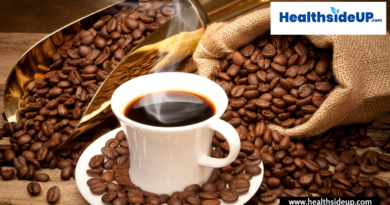
Coffee: A popular caffeinated beverage made from roasted coffee beans.
Tea: A brewed beverage made from the leaves of the Camellia sinensis plant, available in various types such as black, green, white, and herbal teas.
Soft Drinks: Carbonated beverages, often sweetened, which may include sodas, colas, and other flavored drinks.
Juices: Fruit or vegetable extracts, either freshly squeezed or commercially processed.
Milk: A nutrient-rich beverage derived from mammals, often consumed in various forms such as cow’s milk, goat’s milk, or plant-based alternatives like almond or soy milk.
Alcoholic Beverages: Drinks containing ethanol, including beer, wine, spirits, cocktails, and liqueurs.
Sports Drinks: Formulated to hydrate and replenish electrolytes during or after physical activity.
Energy Drinks: Beverages containing stimulants like caffeine, designed to boost energy and alertness.
Smoothies: Blended beverages made with fruits, vegetables, yogurt, or other ingredients.
Infusions: Herbal teas or flavored water created by steeping herbs, fruits, or spices in water.
Iced Tea and Coffee: Chilled versions of traditional tea or coffee, often served with ice.
Mocktails: Non-alcoholic versions of cocktails, typically made with fruit juices, sodas, and garnishes.
Nutritional Drinks: Fortified beverages designed to provide specific nutrients or supplements.
Milkshakes: Blended beverages made with milk, ice cream, and flavorings.
Hot Chocolate: A warm beverage made from chocolate or cocoa powder, often sweetened and topped with whipped cream.
Water Infusions: Water flavored with fruits, herbs, or vegetables for added taste.
Kombucha: Fermented tea with probiotic properties.
Lemonade: A refreshing drink made from lemon juice, water, and sweeteners.
Vegetable Juices: Extracts from vegetables, often consumed for their nutritional benefits.
These are just a few examples, and the world of beverages is diverse, with different cultures and regions having their unique and traditional drinks. Beverage choices often depend on personal preferences, cultural practices, and dietary needs.