Rice Flakes (Poha): A Nutritional Culinary Gem
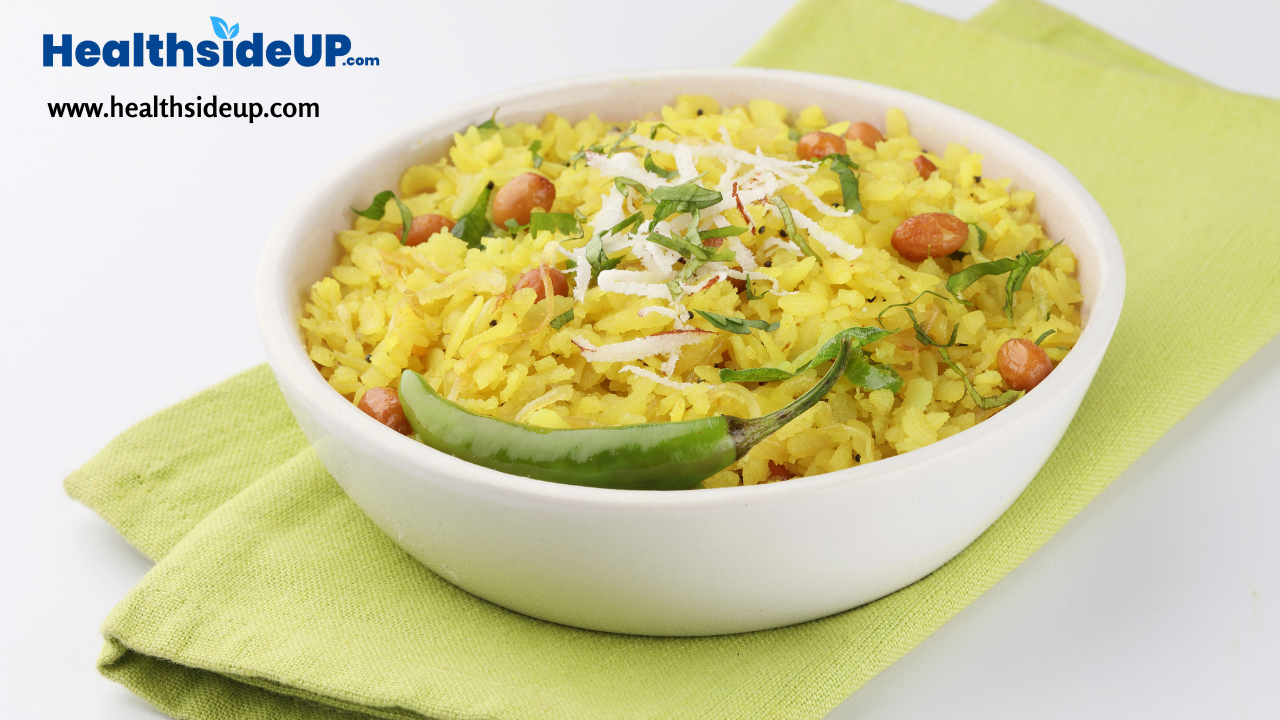
Rice Flakes is also known as Poha. It is vary famous in India, specially in Maharashtra and other states also. Pohe are flattened rice grains that undergo a parboiling and flattening process. This traditional food item is widely used in various cuisines and is known for its versatility.
Culinary Use:
Rice flakes are used in famous snacks like Chivda, kande-pohe, Dahi-pohe, Dadape-pohe, Kheer etc. Various other snacks are made by rice flakes.
Nutritional Content:
Rice flakes are predominantly composed of carbohydrates, providing a quick and easily digestible source of energy.
They are relatively low in calories, making them a suitable choice for individuals looking for a lighter option.
While not a high-protein food, rice flakes do contribute some protein to the diet.
They contain dietary fiber, which aids in digestion and helps maintain a healthy digestive system.
Rice flakes provide small amounts of B-vitamins, including thiamine (B1), riboflavin (B2), niacin (B3), and folate.
They contain minerals such as iron, magnesium, phosphorus, and zinc, contributing to overall nutrient intake.
Rice flakes are naturally low in fat, which can be beneficial for those watching their fat intake.
Health Benefits:
The easily digestible carbohydrates in rice flakes make them a quick and efficient source of energy, suitable for breakfast or snacks.
Rice flakes are naturally gluten-free, making them a safe option for individuals with gluten sensitivity or celiac disease.
Due to their light and easily digestible nature, rice flakes are often recommended during times of illness or for individuals with sensitive digestive systems.
Rice flakes are incredibly versatile and can be used in various recipes. They can be cooked as a traditional breakfast dish, added to soups, salads, or used in desserts.
While not a nutrition powerhouse on its own, incorporating rice flakes into a well-balanced diet can contribute to overall nutrient diversity.
Be mindful of the cooking method and additional ingredients used when preparing rice flakes. For instance, deep-frying or excessive use of oil and sugar can impact the overall healthiness of the dish. Opting for healthier cooking methods and incorporating nutritious ingredients can enhance the nutritional value of rice flakes-based dishes. Additionally, portion control is important for maintaining a balanced diet.