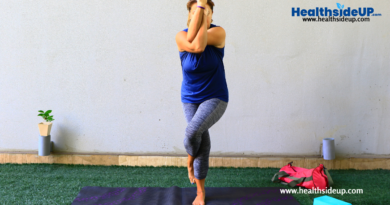
Sarvangasan
Sarvangasana is commonly known as Shoulder Stand in yoga. If that’s the pose you’re referring to, here’s some information on how to perform Sarvangasana and its benefits:
Sarvangasana (Shoulder Stand):
Steps:
Lie on your back with your arms by your sides and palms facing down. Inhale, and as you exhale, use your abdominal muscles to lift your legs and lower back off the floor.
Place your hands on your lower back for support. Elbows should be on the ground, and your hands should support your lower back.
Continue lifting your legs, bringing them in line with your torso. Keep your legs straight and toes pointed.
Press your elbows into the floor and lift your torso and legs into a vertical position. Your weight should be on your shoulders and upper arms.
Engage your core muscles to support the pose and avoid putting too much pressure on your neck.
Keep your legs straight, and if possible, flex your feet. Avoid letting your knees bend.
Gaze upward toward your chest, keeping your neck in a neutral position.
Hold the pose for 30 seconds to 2 minutes, breathing deeply.
To release, lower your legs overhead, bending at the hips, and slowly roll down one vertebra at a time until your entire back is on the mat.
Benefits:
Sarvangasana is believed to stimulate the thyroid gland, which can be beneficial for metabolism and hormonal balance.
Strengthens the shoulders, arms, and upper back.
Inverted poses like Sarvangasana can improve blood circulation and oxygenate the body.
The pose has a calming effect on the nervous system and can help alleviate stress and anxiety.
Provides a gentle stretch to the neck and shoulders.
Sarvangasana can improve respiratory function by expanding the chest and allowing for deeper breaths.
The pose is thought to aid digestion by stimulating the abdominal organs.
May help reduce fluid retention in the legs.
Caution:
- Avoid Sarvangasana if you have neck, shoulder, or back injuries.
- Pregnant individuals should avoid this pose, especially in the later stages of pregnancy.
- Beginners should practice this pose under the guidance of a qualified yoga instructor to ensure proper alignment and avoid strain.
As with any yoga pose, it’s crucial to listen to your body, practice with awareness, and seek guidance if you have any health concerns or conditions.