Soybean: A Nutritional Powerhouse with Remarkable Health Benefits
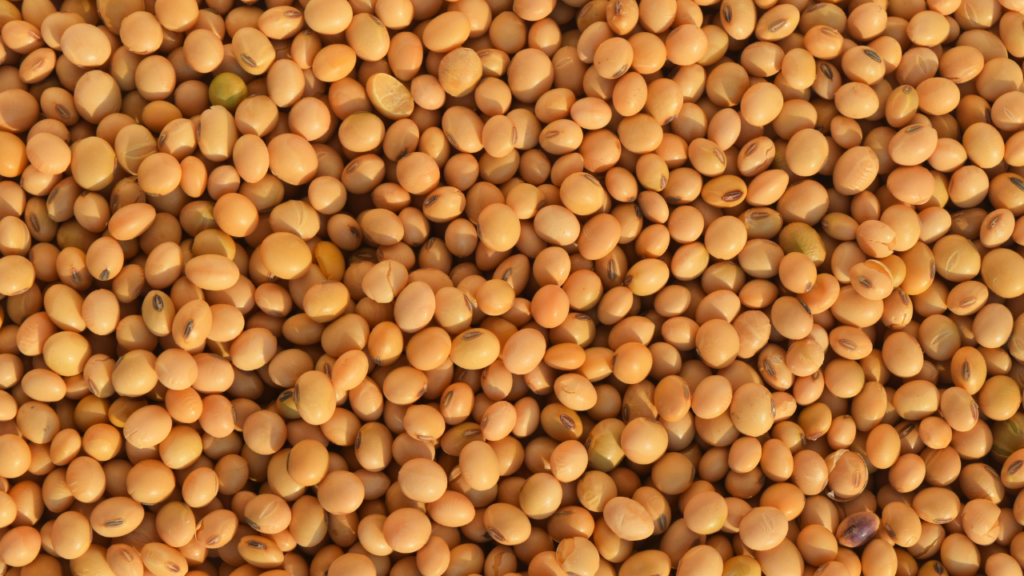
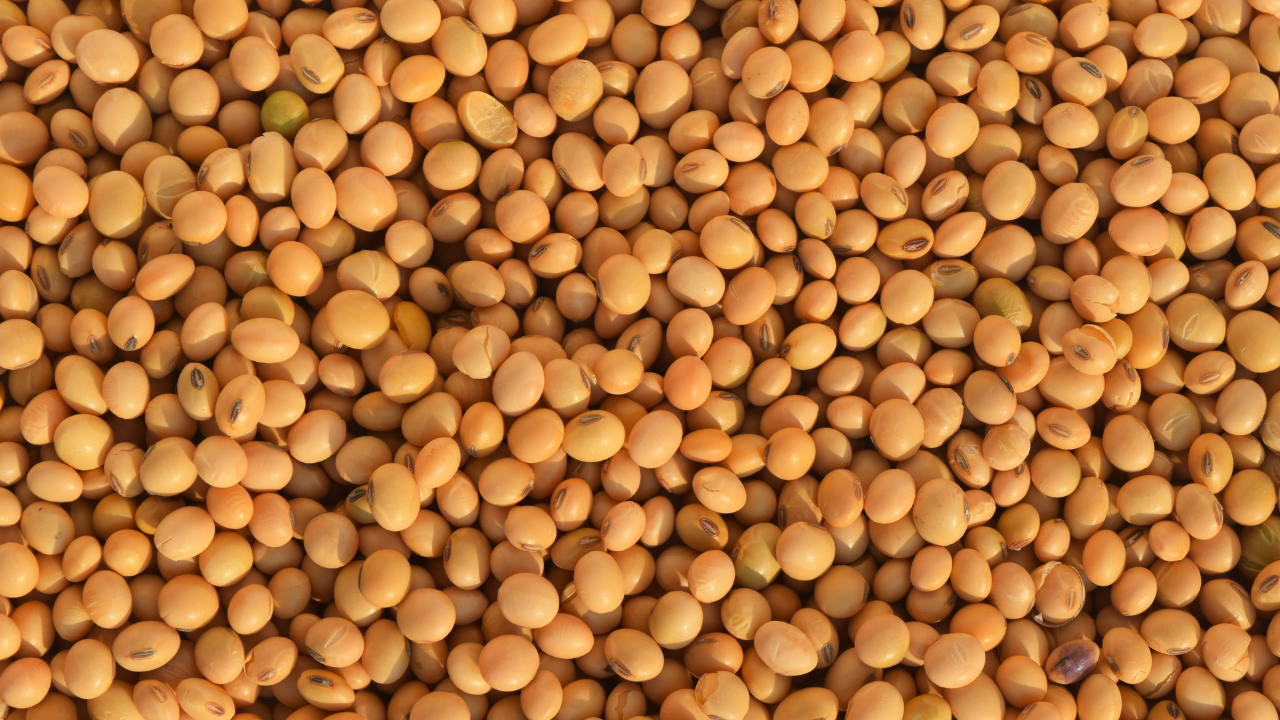
Soybeans, scientifically known as Glycine max, have gained recognition as one of the most versatile and nutritious legumes in the world. These beans are a rich source of essential nutrients and offer a wide range of health benefits.
Soybeans are a nutritionally rich legume that offer a multitude of health benefits:
Complete Protein: Soybeans are one of the few plant-based foods that provide a complete protein containing all essential amino acids. They are an excellent protein source for vegetarians and vegans.
Fiber: Soybeans contain both soluble and insoluble fiber, promoting digestive health, aiding in regular bowel movements, and supporting a healthy gut microbiome.
Vitamins and Minerals: They are rich in several essential nutrients including folate, vitamin K, vitamin C, vitamin B6, thiamine, riboflavin, iron, calcium, magnesium, phosphorus, and potassium. These nutrients are vital for various bodily functions such as bone health, energy production, and immune function.
Healthy Fats: Soybeans contain healthy polyunsaturated fats, including omega-3 and omega-6 fatty acids, which are beneficial for heart health and inflammation reduction.
Isoflavones: Soybeans are high in phytochemicals called isoflavones, which act as antioxidants. These compounds have been associated with various health benefits, including potentially reducing the risk of certain cancers and supporting heart health.
Cholesterol Regulation: The fiber and healthy fats in soybeans may help lower LDL (“bad”) cholesterol levels and improve overall cholesterol profiles, contributing to heart health.
Bone Health: Soybeans contain calcium and other minerals that are essential for bone health and may contribute to reducing the risk of osteoporosis.
Hormonal Balance: Isoflavones in soy can mimic the effects of estrogen in the body and may offer relief for some menopausal symptoms. However, this effect might not be suitable for everyone and should be discussed with a healthcare professional.
Health Benefits:
- Heart Health: Regular consumption of soybeans has been linked to a reduction in LDL cholesterol levels, which can lower the risk of heart disease. The healthy fats, fiber, and antioxidants in soybeans contribute to cardiovascular well-being.
- Bone Health: Soybeans are rich in calcium and magnesium, vital for bone health. They can help prevent osteoporosis and promote bone density.
- Cancer Prevention: The isoflavones in soybeans have been studied for their potential role in reducing the risk of certain cancers, particularly breast and prostate cancer. They may act as antioxidants and hormone regulators.
- Menopausal Symptom Relief: Soy isoflavones may help alleviate menopausal symptoms such as hot flashes and mood swings in some women.
- Weight Management: The high protein and fiber content in soybeans can aid in weight management by promoting satiety and reducing overall calorie intake.
- Diabetes Management: Soybeans have a low glycemic index, which can help stabilize blood sugar levels, making them beneficial for individuals with diabetes.
- Digestive Health: Dietary fiber in soybeans supports a healthy digestive system and may reduce the risk of gastrointestinal issues.
Soybeans are used in various forms, like Tofu: A versatile, protein-rich food often used as a meat substitute. Soy Milk: A dairy milk alternative suitable for lactose-intolerant individuals. Tempeh: Fermented soybean product with a nutty flavor. Edamame: Young soybean pods, often boiled or steamed and served as a snack or appetizer. Soybean Oil: Used for cooking and as a base for various food products. We can use it in various food stuffs.
Soybeans are a nutritional powerhouse with numerous health benefits. Their versatility in culinary applications and rich nutrient content make them a valuable addition to a balanced diet. Regular consumption of soy-based foods can contribute to improved health, making soybeans an essential component of a well-rounded, plant-based diet.