The Nutritional and Health Benefits of Amala (Indian Gooseberry)
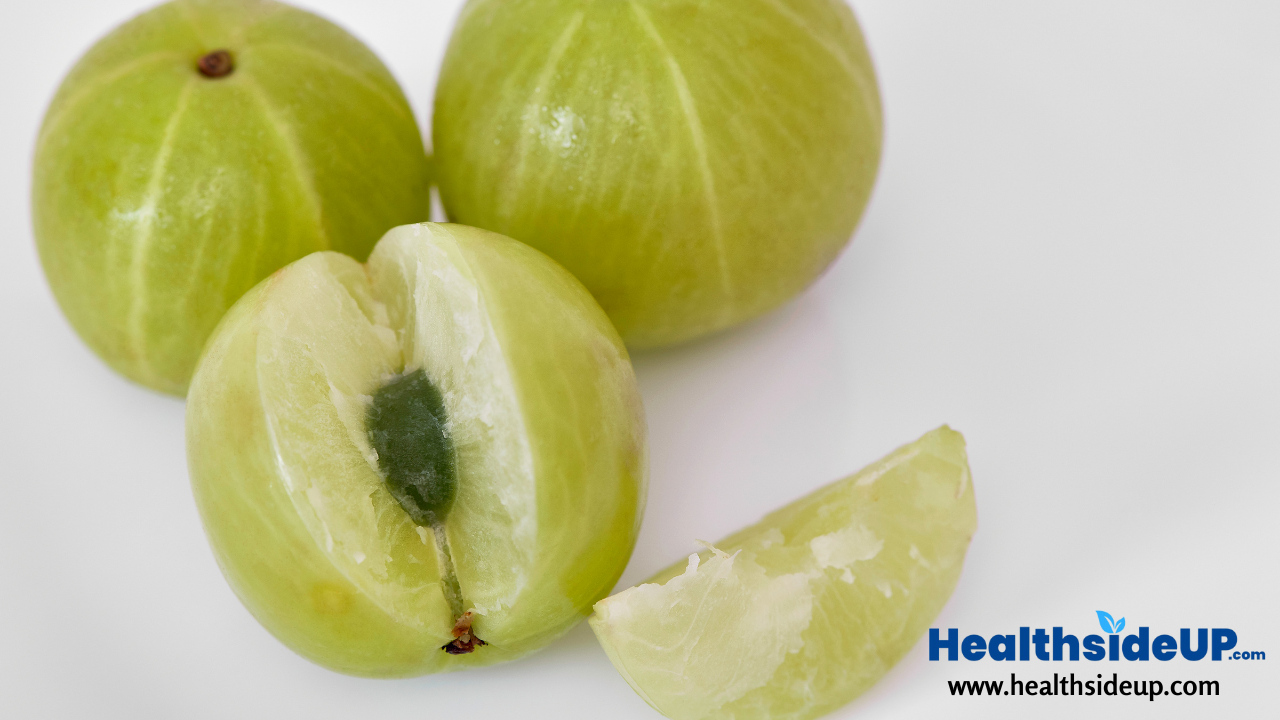
Amala, also known as Indian Gooseberry or Amla, is a fruit that has been treasured in Ayurvedic medicine for its numerous health benefits. Amala is a small, green, spherical fruit that grows on the deciduous Amala tree, which is native to the Indian subcontinent. It belongs to the Phyllanthaceae family. The fruit is typically about the size of a ping pong ball and has a sour, tart taste. The tree is known for its feathery leaves and can reach a height of up to 18 meters. Amala is a rich source of various nutrients and bioactive compounds, making it highly nutritious and beneficial for health. Here are some of its key nutritive importance and benefits:
1. Amala is renowned for its exceptionally high vitamin C content. In fact, it contains more vitamin C than most other fruits and vegetables. Vitamin C is an antioxidant that helps protect cells from oxidative damage, boosts the immune system, and promotes healthy skin.
2.The antioxidants in Amala help combat free radicals in the body, which can reduce the risk of chronic diseases like cancer and heart disease.
3. Amala contains various phytochemicals like flavonoids, polyphenols, and tannins, which have anti-inflammatory and antioxidant properties.
4. Amala is known to improve digestion and relieve constipation. It is often used as a remedy for digestive issues.
5.The high vitamin C content in Amala strengthens the immune system, helping the body fight off infections and illnesses.
6. The antioxidants in Amala help maintain healthy skin by preventing premature aging and reducing the appearance of wrinkles. It is also used in many skincare products.
7. Amala is used in various hair care products because it promotes hair growth, reduces hair fall, and prevents premature graying of hair.
8. Some studies suggest that Amala may help regulate blood sugar levels in people with diabetes due to its low glycemic index and anti-diabetic properties.
9. Amala can help lower cholesterol levels and reduce the risk of heart disease by promoting healthy blood vessel function and reducing inflammation.
10.The fiber in Amala can help control appetite and aid in weight management by promoting a feeling of fullness.
11. The vitamin C in Amala can help protect the eyes from age-related macular degeneration and cataracts.
12. Amala has been shown to have hepatoprotective properties, which means it can protect the liver from damage and support its function.
13. Amala may help reduce inflammation in the body, which is associated with various chronic diseases.
14. Some studies suggest that Amala’s antioxidants may help prevent or slow the growth of certain types of cancer cells.
To incorporate Amala into your diet, you can eat it fresh, consume it as juice, can make pickle or powders in ayurvedic medicines. However, it’s essential to consult with a healthcare professional before adding any new supplement to your diet, especially if you have underlying health conditions or are taking medications.