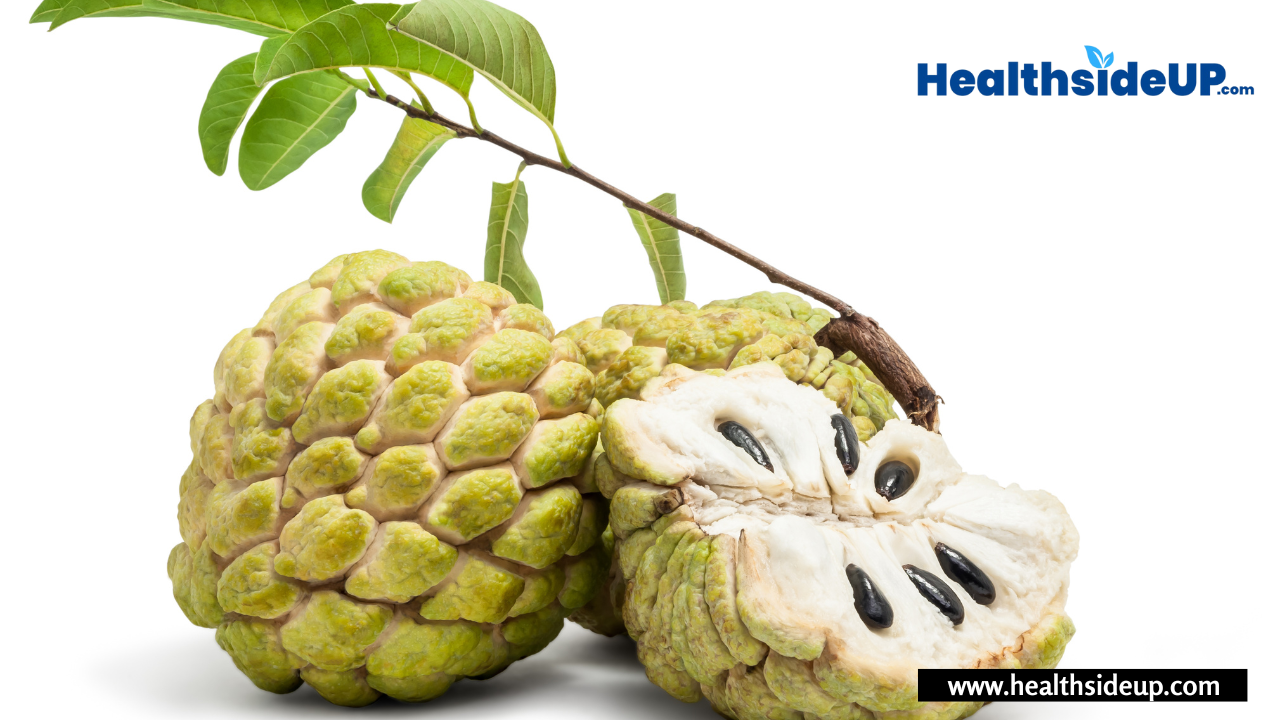
The Sweet and Creamy Delight: Exploring the Custard Apple
Sitaphal/Custard apple, also known as Annona cherimola or sugar apple, is a tropical fruit that is enjoyed for its sweet and creamy flesh. Custard apple is native to South America but is now cultivated in various tropical and subtropical regions worldwide. Different varieties of custard apple exist, each with its own unique flavor and characteristics. Like every fruit, Sitaphal/Custard Apple has some pros and cons.
Merits (Advantages) of Custard Apple:
- Delicious Flavor: Custard apple has a unique and delicious flavor that is often described as a blend of banana, pineapple, and strawberry. Many people find it to be a delightful tropical treat.
- Rich in Nutrients: Custard apple is a good source of vitamins and minerals, including vitamin C, vitamin B6, potassium, and dietary fiber. It can be a nutritious addition to your diet.
- Low in Calories: It is relatively low in calories, making it a suitable choice for those looking to manage their weight.
- High in Antioxidants: Custard apple contains antioxidants like vitamin C and flavonoids, which can help protect your cells from oxidative stress and reduce the risk of chronic diseases.
- Fiber Content: The fruit is rich in dietary fiber, which can aid in digestion and promote a feeling of fullness, potentially assisting in weight management.
- Natural Sweetness: Custard apple is naturally sweet, making it a healthier alternative to sugary snacks and desserts.
- Potential Health Benefits: Some studies suggest that custard apple may have various health benefits, such as promoting heart health, reducing inflammation, and aiding in digestion.
Demerits (Disadvantages) of Custard Apple:
- High Sugar Content: While the natural sugars in custard apple are not as harmful as added sugars, people with diabetes or those watching their sugar intake should consume it in moderation.
- Short Shelf Life: Custard apples are highly perishable and have a short shelf life. They should be consumed relatively quickly after ripening.
- Seeds and Skin: Custard apple contains seeds and a tough, inedible skin. You need to carefully remove the seeds and skin before consuming the flesh, which can be a bit messy.
- Allergies: Some individuals may be allergic to custard apple, experiencing symptoms such as itching, swelling, or hives upon consumption.
- Caloric Intake: While it is relatively low in calories, overconsumption can still contribute to calorie intake, so portion control is essential.
- Not Widely Available: Custard apples may not be readily available in all regions, limiting access to this fruit for some people.
- Not Suitable for Some Medical Conditions: Due to its sugar content, custard apple may not be suitable for individuals with certain medical conditions, such as gestational diabetes or advanced kidney disease.
From delectable desserts to savory dishes, Sitaphal/custard apple can be a versatile addition to your culinary repertoire. Explore various ways to enjoy this tropical delight, from custard apple smoothies to custard apple ice cream and custard apple salsa. It is a tasty and nutritious tropical fruit with several advantages, but it should be consumed in moderation, especially by those with specific dietary restrictions or medical conditions. As with any food, it’s essential to consider your individual dietary needs and preferences when incorporating custard apple into your diet.