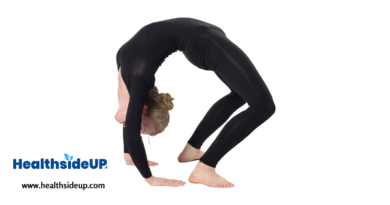
Vajrasan
Vajrasana, also known as Thunderbolt Pose or Diamond Pose, is a seated yoga pose that is commonly used for meditation and pranayama (breath control) practices. Here’s information on how to perform Vajrasana and its benefits:
Steps of Vajrasana:
Kneel down on the yoga mat with your thighs and buttocks resting on your lower legs.
Keep your knees close together, and your big toes should touch.
Sit back on your heels, ensuring your weight is evenly distributed across both legs.
Place your hands on your knees, palms facing down.
Keep your spine straight, shoulders relaxed, and head in a neutral position.
Breathe deeply and hold the pose for a comfortable duration.
If you have difficulty sitting on your heels, you can place a cushion or folded blanket between your buttocks and heels for support. For a more advanced variation, you can practice the “Supta Vajrasana” or Reclined Thunderbolt Pose by lowering your back to the floor.
Benefits of Vajrasana:
Vajrasana is known to aid digestion by increasing blood flow to the digestive organs and improving the functioning of the digestive system.
Regular practice of Vajrasana helps in strengthening the pelvic muscles, including the thighs and buttocks.
This pose is beneficial for individuals suffering from lower back pain as it promotes a straight and aligned spine.
Vajrasana is a stable and comfortable sitting posture, making it conducive to meditation and concentration practices.
The pose helps in increasing blood circulation to the lower body, reducing stiffness in the legs.
Vajrasana can be helpful in relieving symptoms of sciatica by stretching and strengthening the lower back.
The meditative aspect of Vajrasana can have a calming effect on the mind, reducing stress and anxiety.
The pose is considered beneficial for individuals with high blood pressure, as it promotes relaxation and balance.
Contraindications and Cautions:
People with knee or ankle injuries should practice Vajrasana with caution. If there is discomfort or pain, modifications may be necessary.
Individuals with severe back issues or spinal injuries should avoid this pose or practice it under the guidance of a qualified yoga instructor.
Pregnant women, especially in the later stages of pregnancy, may find it uncomfortable to sit in Vajrasana for an extended period. It’s advisable to use props or modify the pose as needed.
As with any yoga practice, it’s important to listen to your body, practice within your limits, and consult with a healthcare professional or yoga instructor if you have any health concerns or conditions.