Vitamin C
Vitamin C, also known as ascorbic acid, is a water-soluble vitamin that plays a crucial role in various bodily functions and offers numerous health benefits. It is an essential nutrient, meaning the body cannot produce it, so you must obtain it through your diet or supplements.
Functions of Vitamin C:
One of the most well-known functions of vitamin C is its powerful antioxidant activity. It helps protect cells and tissues from damage caused by free radicals, which are unstable molecules that can lead to oxidative stress and various chronic diseases.
Vitamin C is essential for the synthesis of collagen, a protein that plays a critical role in the structure of skin, bones, tendons, and blood vessels. It is vital for wound healing and maintaining the health of connective tissues.
Vitamin C is known to enhance the immune system by promoting the production and function of white blood cells, including lymphocytes and phagocytes. It may help reduce the severity and duration of common colds.
Vitamin C aids in the absorption of non-heme iron (the iron found in plant-based foods) in the intestines, making it particularly important for individuals with iron-deficiency anemia.
Vitamin C is involved in the synthesis of neurotransmitters like serotonin and norepinephrine, which play a role in mood regulation and overall mental health.
Benefits of Vitamin C:
Vitamin C’s antioxidant properties help protect cells from oxidative damage, which is linked to various chronic conditions such as heart disease, cancer, and age-related eye conditions.
As a key component of collagen production, vitamin C contributes to healthy skin by promoting elasticity and reducing the appearance of wrinkles and fine lines.
Vitamin C can help reduce the duration and severity of colds and may provide some protection against other infections by enhancing the immune response.
Some research suggests that higher vitamin C intake may be associated with a reduced risk of heart disease by improving blood vessel function and reducing blood pressure.
Vitamin C can help individuals with iron-deficiency anemia by enhancing the absorption of iron from plant-based foods.
There is evidence to suggest that adequate vitamin C intake is linked to better cognitive function and may help reduce the risk of cognitive decline in older adults.
It’s important to obtain an adequate amount of vitamin C in your diet, as a deficiency can lead to scurvy, a condition characterized by fatigue, muscle weakness, joint pain, and bleeding gums. The recommended daily intake of vitamin C varies by age and sex, but it generally ranges from 65 to 90 milligrams for adults.
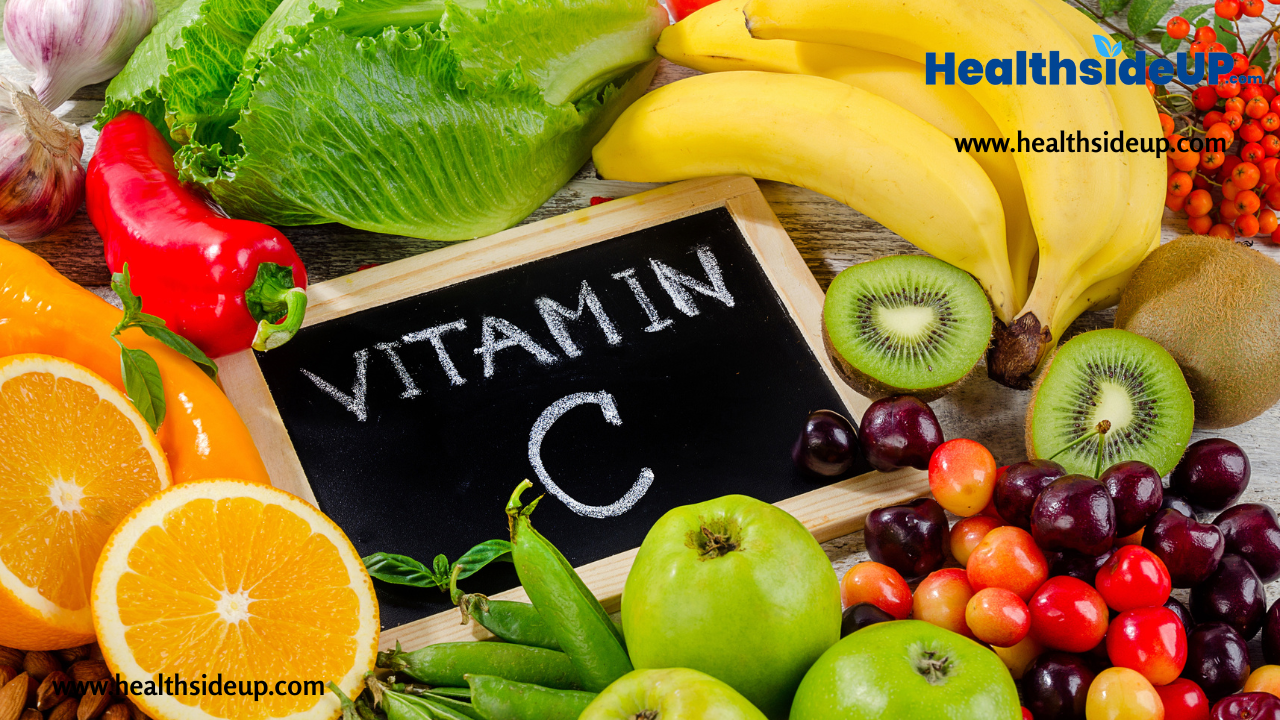
Good dietary sources of vitamin C include citrus fruits (oranges, lemons, and grapefruits), strawberries, kiwi, guava, bell peppers, broccoli, and other fruits and vegetables. If you have concerns about your vitamin C intake or are considering supplementation, it’s advisable to consult with a healthcare professional or registered dietitian for personalized guidance.