Watermelon: Nature’s Sweet Hydration Solution
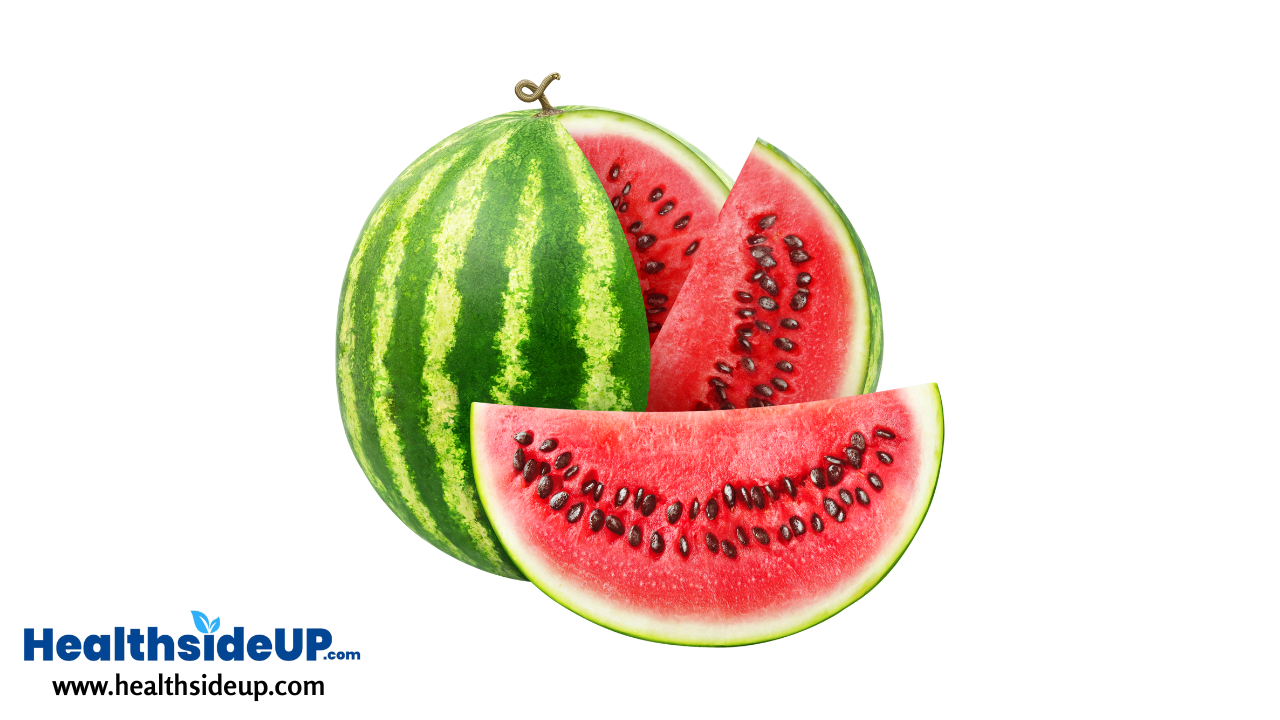
Watermelon, scientifically known as Citrullus lanatus, is a delicious and refreshing fruit that is popular worldwide, especially during the summer months. Watermelons are typically large, oval or round-shaped fruits with a thick green rind that is often mottled or striped. The inside flesh is juicy and can range in color from bright red to pink or even yellow. Watermelons have a sweet, mild flavor and a crisp, juicy texture. They are often enjoyed for their refreshing quality, making them a popular choice for hydrating on hot days.
Nutritional value and benefits of Watermelon :
Watermelons are low in calories and a good source of essential vitamins and minerals, including vitamin C, vitamin A, potassium, and magnesium. They are also rich in water, which helps keep you hydrated. Watermelons offer several health benefits. Due to their high water content (around 90%), watermelons are excellent for staying hydrated.
Watermelons contain antioxidants like lycopene and vitamin C, which may help protect cells from damage. The presence of citrulline, an amino acid, may contribute to heart health by improving blood flow and reducing blood pressure.
The vitamins and antioxidants in watermelons can promote healthy skin.
Watermelons are low in calories and can be a good addition to a weight loss or management plan.
Watermelons are usually harvested when it reaches full ripeness, which can be determined by its color, sound when tapped, and the texture of the skin. There are many different varieties of watermelons, varying in size, shape, and taste. Some common varieties include seedless watermelons, mini or personal-sized watermelons, and yellow-fleshed watermelons.
Watermelons are often eaten fresh, either sliced or diced. They are a popular addition to fruit salads, smoothies, and juices. Some people also use watermelon in savory dishes like salads or salsas. The rind can be pickled or used in recipes as well.