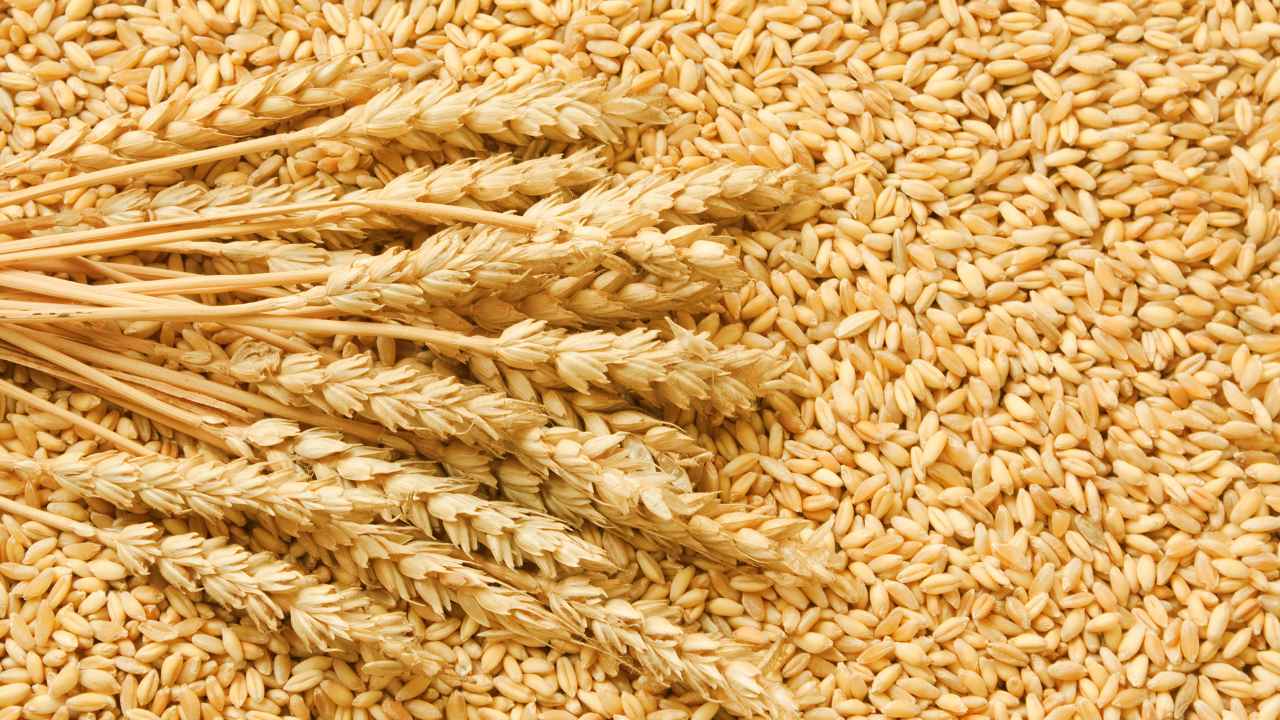
Wheat: Various Nutritional Benefits of Wheat
Wheat, Marathi name , Gahu is often referred to as the “staff of life,” has been a fundamental component of human diets for thousands of years. This versatile cereal grain holds immense nutritional significance, providing a wide array of essential nutrients that contribute to overall health and well-being.
Wheat is a widely consumed cereal grain that provides various nutritional benefits:
Carbohydrates: Wheat is a significant source of carbohydrates, providing energy for the body. It contains complex carbohydrates that are beneficial for sustained energy release.
Protein: Wheat is moderately high in protein compared to other grains. It contains a type of protein called gluten, which gives wheat dough its elasticity and is important in baking.
Dietary Fiber: Whole wheat is an excellent source of dietary fiber, which is crucial for digestive health. Fiber aids in digestion, helps prevent constipation, and supports a healthy gut microbiome.
Vitamins: Wheat contains several essential vitamins, including B vitamins such as thiamine (B1), riboflavin (B2), niacin (B3), and folate (B9). These vitamins play key roles in metabolism, energy production, and overall cell health.
Minerals: Wheat is a good source of minerals like manganese, phosphorus, magnesium, and iron. These minerals are important for bone health, energy metabolism, and oxygen transport in the blood.
Antioxidants: Whole wheat contains antioxidants, such as phenolic acids and flavonoids, which help protect the body from oxidative stress and inflammation.
Heart Health: Some studies suggest that whole grains, including wheat, may have cardiovascular benefits by reducing the risk of heart disease. The fiber, antioxidants, and other compounds in wheat contribute to these potential benefits.
Weight Management: Whole wheat, due to its fiber content, can help with weight management by promoting satiety and aiding in better regulation of blood sugar levels.
Similar to rice, whole wheat retains more nutrients than refined wheat products like white flour. Opting for whole grain wheat products, such as whole wheat bread, pasta, or cereals, ensures you receive the maximum nutritional benefits from wheat.
Wheat-based products often have a longer shelf life compared to some other grains, contributing to food security. Additionally, wheat is widely available and affordable, making it accessible to people of various economic backgrounds. Wheat is a hardy crop that can grow in diverse climates and conditions. Sustainable wheat farming practices, such as crop rotation and reduced pesticide use, contribute to environmental conservation. It’s essential to note that while gluten is a valuable component for many, individuals with celiac disease or gluten sensitivities must opt for gluten-free alternatives. It is Global Dietary Staple grain for billions of people worldwide and plays a vital role in addressing global food security and nutrition needs.