
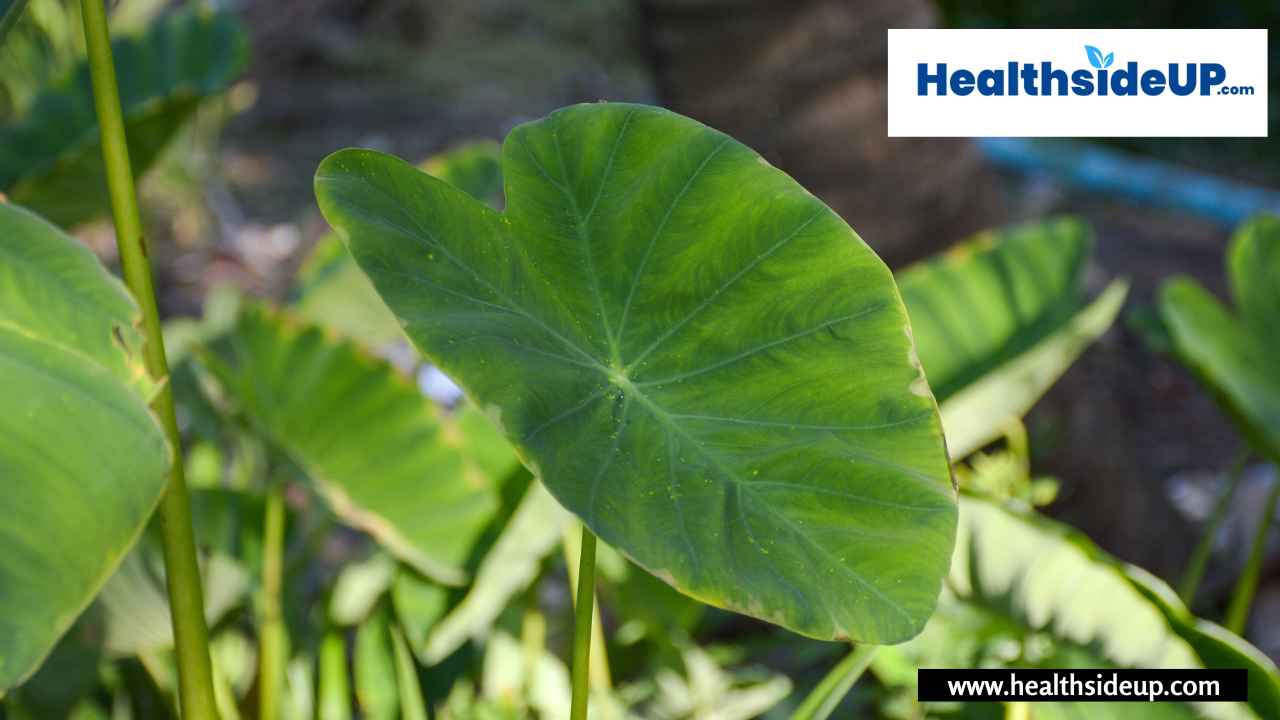
Colocasia leaves(Alu)
Colocasia leaves, also known as taro leaves or elephant ear leaves, are the large, heart-shaped leaves of the Colocasia plant, primarily Colocasia esculenta. These leaves are commonly used in various culinary dishes and have cultural significance in many parts of the world. Colocasia leaves are often used in traditional ceremonies, rituals, and festivals in many cultures. They hold cultural significance in Hindu,
the leaves are used in various religious rituals and offerings to deities. There are different varieties of Colocasia plants, and the size and shape of the leaves can vary among them. Some have green leaves, while others have colorful patterns and variegation.
Nutritional Content:
Colocasia leaves are a good source of various vitamins, including vitamin A, vitamin C, and vitamin B6.
They contain essential minerals such as calcium, potassium, magnesium, and iron.
Colocasia leaves are rich in dietary fiber, which aids in digestion and contributes to a feeling of fullness.
These leaves contain antioxidants that can help protect cells from oxidative stress and reduce inflammation.
Health Benefits:
The presence of antioxidants in colocasia leaves can help reduce oxidative stress in the body, potentially lowering the risk of chronic diseases.
The dietary fiber in colocasia leaves promotes healthy digestion and can help prevent constipation.
Vitamin A is essential for maintaining healthy vision, skin, and the immune system. Colocasia leaves can contribute to your daily vitamin A intake.
Vitamin C is known for its immune-boosting properties and its role in collagen production for healthy skin.
Colocasia leaves contain calcium, which is vital for maintaining strong bones and teeth.
Iron is necessary for the formation of red blood cells and preventing anemia. Colocasia leaves provide a source of dietary iron.
Potassium is crucial for regulating blood pressure and maintaining heart health.
Some cultures use colocasia leaves in traditional medicine due to their perceived anti-inflammatory effects, which may help with various health conditions.
In addition to their nutritional value, colocasia leaves hold cultural and religious significance in various traditions and rituals.
It’s important to note that while colocasia leaves offer numerous health benefits, they also contain calcium oxalate crystals, which can be harmful if not prepared and cooked correctly. To enjoy the nutritional benefits of colocasia leaves, they should be boiled or blanched to eliminate these crystals before consumption. Additionally, consumption should be in moderation to prevent digestive discomfort due to their high fiber content. Colocasia leaves should be prepared and cooked properly to eliminate oxalate crystals, which can cause discomfort if ingested raw. Overconsumption of colocasia leaves can lead to digestive issues due to their high fiber content, so they should be consumed in moderation.


