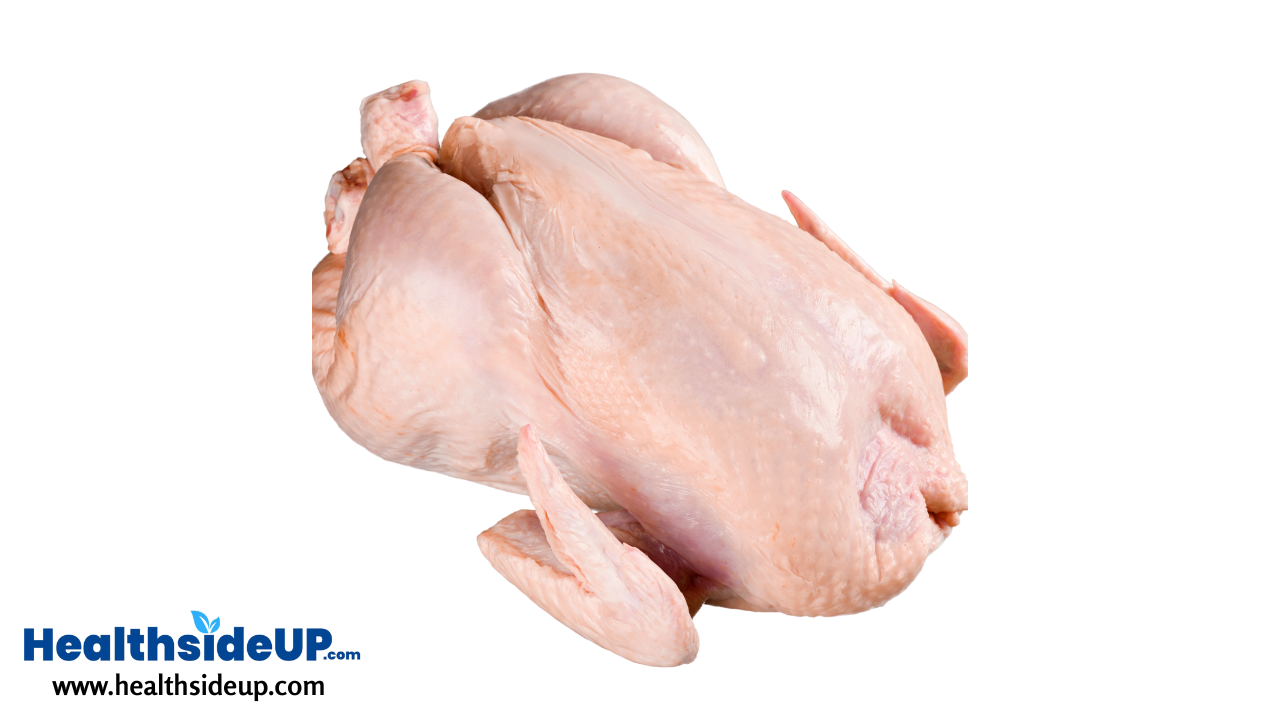
Fowl (Chicken)
Chicken, particularly chicken breast, is a popular and versatile source of lean protein. These are the most common type of chicken raised for meat production. They are typically harvested when they are around 6-7 weeks old, yielding tender and mild-flavored meat. Roasters are slightly older than broilers, usually around 3-5 months old. They have a bit firmer meat and are often used for roasting whole. Mature hens, often 10 months to 1 year old. They have tougher meat and are best used for making stews or soups.
Cooking Methods:
Grilling: Grilled chicken is popular for its smoky flavor and attractive grill marks. Marinating the chicken before grilling can add extra flavor.
Baking: Baking chicken is a healthy cooking method that helps maintain the meat’s tenderness. It’s often used for whole chicken or chicken pieces.
Pan-Frying:Pan-frying chicken in a skillet with a small amount of oil or butter is a quick and tasty way to cook chicken pieces.
Boiling: Boiling chicken is common when preparing chicken for soups, broths, or shredded chicken dishes.
Roasting: Roasting whole chickens in the oven can result in juicy and flavorful meat, especially when you season it with herbs and spices.
Nutritional Content (Per 3.5 ounces or 100 grams of cooked, skinless, boneless chicken breast):
Chicken is a high-quality source of protein. It provides approximately 31 grams of protein per 100 grams, making it an excellent choice for those looking to meet their daily protein needs.
Skinless, boneless chicken breast is relatively low in calories, with approximately 165 calories per 100 grams. This makes it a good option for those watching their calorie intake.
Chicken breast is low in fat, with about 3.6 grams of total fat per 100 grams. It’s also relatively low in saturated fat, making it a heart-healthy choice.
Chicken contains essential vitamins, including B vitamins such as niacin (vitamin B3) and B6. These vitamins play a role in energy metabolism and overall health.
It is a good source of minerals like phosphorus and selenium. Phosphorus is important for bone health, while selenium acts as an antioxidant.
Chicken provides all essential amino acids, making it a complete protein source. These amino acids are vital for muscle growth and repair.
Benefits of Consuming Chicken:
Chicken is a lean source of high-quality protein, which is essential for building and repairing tissues, supporting muscle growth, and maintaining a healthy immune system.
Its low calorie and fat content make it a suitable choice for those looking to manage their weight. The protein in chicken can also promote a feeling of fullness, helping to control appetite.
Chicken contains important vitamins and minerals, including B vitamins and selenium, which are beneficial for overall health and well-being.
Choosing skinless, boneless chicken breast reduces saturated fat intake and can contribute to heart health. The amino acid, homocysteine, in chicken may also have a positive impact on heart health.
Chicken can be prepared in various ways, making it a versatile ingredient for a wide range of dishes. It can be grilled, baked, boiled, or sautéed to suit different tastes and dietary preferences.
Incorporating chicken into a balanced diet that includes a variety of foods helps ensure you get a well-rounded intake of nutrients.
It’s important to note that the nutritional content and health benefits of chicken can vary based on the cut of meat and how it’s prepared. For the healthiest option, choose skinless, boneless cuts and opt for cooking methods that use minimal added fats and oils. Additionally, it’s advisable to consume a variety of protein sources as part of a well-rounded diet to obtain a wide spectrum of nutrients.