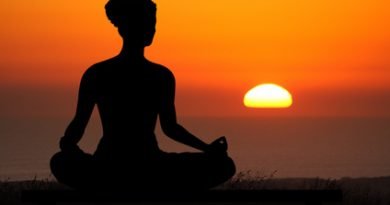
Parvatasan
Parvatasana is a Sanskrit word in which ‘Parvata’ means mountain and asana means ‘pose’ or ‘posture’. Hence, it is also called ‘mountain pose’ because the final position of the body resembles the shape of a mountain. Parvatasana has two major variations one is seated Parvatasana (seated mountain pose) is a seated upward stretching pose. It helps to straighten the spine and back of the body by stretching them in the upward direction. And other is Inverted Parvatasana is the simplest form of inverted posture. It stretches the legs and arms downward, placing the head below the heart. It helps boost the circulatory system as the arms and legs are fully extended.
How to do Parvatasan :
Start by sitting in the Padmasana pose (legs crossed with left foot on right thigh and right foot on left thigh).
Inhale and raise both arms together and make an upward stretch.
Join the palms with each other in this upward stretch position.
Bring the hands close to the ears and keep your back straight.
Benefits of Parvatasan :
Improves the sense of balance and ability to concentrate. Stimulates respiratory function and calms the entire nervous system. Strengthens the buttock, back, shoulder and arm muscles and helps with hip displacement.
It said that practising Parvatasana increases lung volumes, breath-holding duration, and chest wall expansion which may contribute to the development of cardiovascular endurance.