Peas-Importance and Nutritional Benefits of Peas
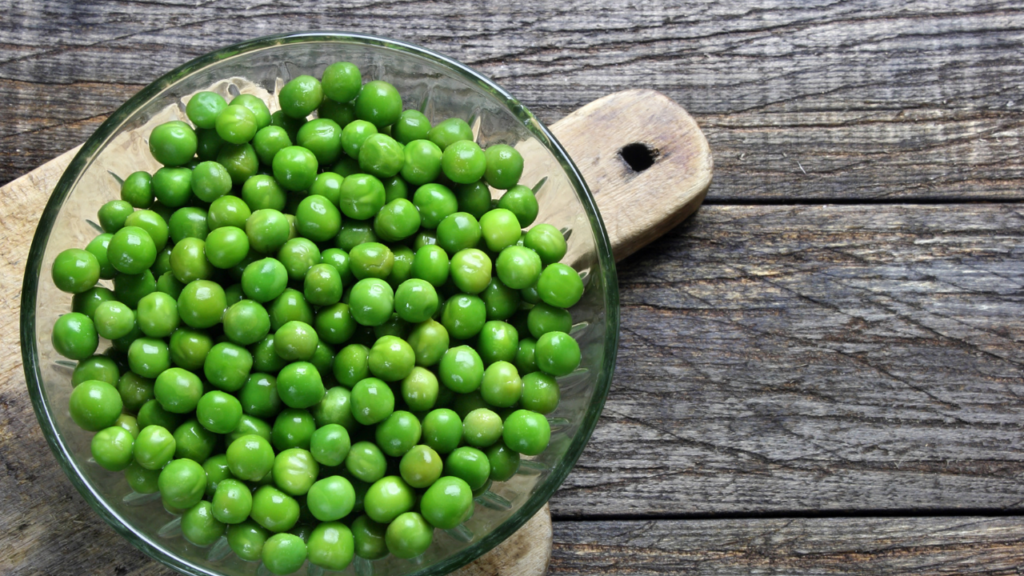
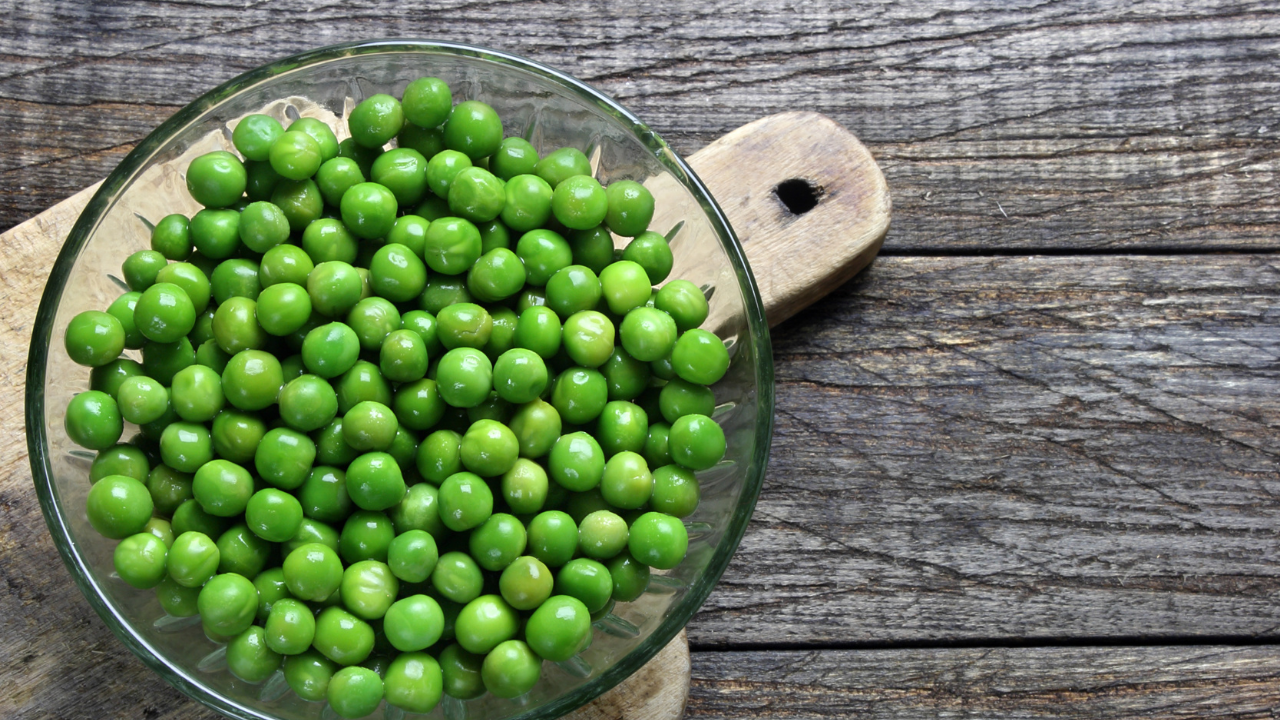
Peas, scientifically known as Pisum sativum, are a popular and widely consumed legume, celebrated for their delightful taste and versatility in culinary dishes. Beyond their deliciousness, peas offer a plethora of nutritional benefits and hold significant importance in both the culinary world and human health.
Peas, offer several nutritional benefits:
Protein: Despite being a vegetable, peas are relatively high in protein compared to other vegetables. They provide a decent amount of plant-based protein, which is essential for various bodily functions including muscle repair and growth.
Dietary Fiber: Peas are rich in dietary fiber, both soluble and insoluble. Fiber aids in digestion, helps maintain bowel regularity, and supports a healthy gut microbiome.
Vitamins: Peas are a good source of various vitamins, including vitamin K, vitamin C, vitamin A, several B vitamins (such as folate), and vitamin E. These vitamins play important roles in immune function, vision, skin health, and energy production.
Minerals: They contain essential minerals like iron, zinc, potassium, and magnesium. These minerals are important for overall health, including immune function, heart health, and muscle function.
Antioxidants: Peas contain antioxidants like flavonoids and carotenoids, which help combat oxidative stress and reduce inflammation in the body.
Low in Fat: Peas are naturally low in fat, making them a good choice for those watching their fat intake.
Blood Sugar Regulation: The fiber and protein in peas contribute to a slower digestion process, potentially helping to regulate blood sugar levels. This can be beneficial for individuals managing diabetes or aiming for stable blood sugar.
Heart Health: Their low fat content, especially low in saturated fat, contributes to heart health, and the presence of potassium helps regulate blood pressure.
Weight Management: Peas are filling due to their fiber and protein content, promoting satiety and potentially aiding in weight management by reducing overall calorie intake.
Incorporating peas into meals, whether fresh, frozen, or canned, can provide a variety of essential nutrients and contribute to overall health, particularly in supporting digestion, immune function, and providing a good source of plant-based protein.
In agriculture, peas are used in crop rotation to enrich the soil with nitrogen, which benefits subsequent crops. This practice helps maintain soil fertility and reduces the need for synthetic fertilizers.
As mentioned earlier, Peas can be enjoyed in a variety of culinary ways, including Fresh Peas – Eaten as a standalone vegetable or added to salads and side dishes. Pea Soup- A classic dish in many cuisines, often served hot or chilled. Mashed Peas- A popular side dish, especially in British cuisine. Pea Risotto – incorporating peas into creamy risotto dishes. Stir-Fries- Adding peas to stir-fry dishes for color, flavor, and nutrition.
Peas are not only a delightful addition to meals but also a nutritionally rich and important crop. Their versatility in culinary applications, combined with their health-promoting properties, make them an invaluable part of a balanced diet. Regularly including peas in your meals can enhance your overall health and well-being while delighting your taste buds.